Kochi (or Cochin) is a coastal city in the state of Kerala and a popular destination for tourists. We spent three nights and two full days here and found it to be a nice mix between city and village feel and a great place for easing into India.
Kathakali show
It did not take long to get our first taste of the brutal Indian traffic when our modern airport public bus took more than two hours to reach Fort Cochin. Spacious and calm enough to start, the bus quickly became very crowded. Though nothing like the older, regular public buses. On the way we passed countless Bollywood billboards and crossed Ernakulam, which is the more modern and big city part of Kochi. Most visitors stay in Fort Cochin which occupies the western peninsula along with Mattancherry, and I recommend you do the same. Unless perhaps you stay at the Taj on Willingdon Island.
Rough Guide sums up the peninsula’s appeal nicely: “Spice markets, Chinese fishing nets, a synagogue, a Portuguese palace, India’s first European church and 17th century Dutch homes can all be found within an easy walk.”
Chinese fishing nets
After checking into our spacious room at Chiramel Residency, we had dinner at Dal Roti, a very popular and cheap restaurant that happened to be next door. The butter chicken was tasty and we had our first of many parathas, the doughy delicacy we fell in love with on our honeymoon. Albeit the versions we’ve had in southern India have been a little larger and more fried.
Chiramel bedroom
Chiramel living room
Eager to explore a little, we walked over to a bar and met a few locals and their adorable puppy named Blacky.
Whenever we tell people we are from America, one of the first things they say is “oh, winter, it’s really cold, yes?” Then we get to chuckle and say “not in Cali.” And Obama may not be that popular in the US, but he is here.
Tuesday was mainly a work day, planning out some more of our time in India, getting my SIM-switched iPhone to function, etc. It is shocking how inexpensive medicine is here vs. in the US. Jenni has had sinus problems for a while so we bought a 3-pack of Zithromax for…$1. In the early evening we walked over to see the Chinese fishing nets and the area was crowded with locals and tourists. We split Malabar prawn curry and a great mango lassi for dinner at the Old Courtyard.
Wednesday we planned to walk all day but had barely escaped our hotel when an enterprising tuk-tuk driver scooped us up with promises of a good tour for Rs 60/hour. Our first stop was Saint Francis Church, the first built by Europeans in India. It is historically interesting and Vasco da Gama was buried here before his body was later removed to Portugal, but the structure itself is nothing special.
St. Francis
St. Francis
The Santa Cruz Basilica is a far grander church. Next we saw the pretty Dutch Cemetery before continuing to the dhobi khana where laundry is hand-washed by members of a low caste.
Dutch cemetery
This was a fascinating stop for a glimpse into a long-standing practice that is probably going the way of the dodo in the coming years/decades. Women and lungi-clad men scrub garments and linens before whipping them onto rock surfaces, the precursor to our spin cycle. The cloth is then air dried by hanging between rope braids and finally it is ironed, folded and sorted. While we saw a few jury-rigged electrical irons, many are heated by burning coconut husk. This method requires more skill to maintain the proper temperature. Either type weighs about 20 pounds.
Old school iron
Modern iron, ha
From here we crossed to Mattancherry and saw the old Jewish synagogue which was impressive. It is small but ornately decorated with hand-painted blue and white tiles, colorful lamps and a red and gold Torah ark. At one time there was a substantial Jewish population here but most emigrated to Israel in the 1940s, when they left behind furniture and other large possessions that ended up in antique shops in the area.
Outside the synagogue
Me and Ashok
Outside the synagogue
Our guide definitely added value by taking us to the Jain Temple for the 12:15 pm pigeon feeding display. A guy claps his hands and the pigeons circle and then descend to eat seeds he scatters. They believe it is good luck for a pigeon to eat from your hand. Jenni did that while I got crapped on, so we covered our cultural bases. Also, a woman inside the complex gave us a quick tour where we understood maybe 5% of her words, most of which came at the end when she held out her hand and said clearly “OK tour is done, you tip now.”
For lunch we considered Kayee’s and its Rs 100 chicken biryani but the atmosphere was lacking so we opted for a water-side meal at Seagull. The chicken biryani there was quite tasty.
View at Seagull
Chicken biryani and paratha
View at Seagull
After lunch we visited a spice warehouse with turmeric, cardamom, nutmeg, cinnamon and star anise, and then we saw a ginger seller. This was neat as our guide pointed out where they dry the ginger a bit before soaking it with chalk and lime (the fruit) then drying it a lot, after which it lasts 7-8 months. The contrast of the monochromatic ginger pile and art-covered courtyard walls made for a nice scene.
Dried ginger
Canal
Spice warehouse
Our last stop on the tour (aside from buying some wine, for our backwater trip, through the bars at a government shop) was the Dutch Palace, which was actually built by the Portuguese though the Dutch augmented it. It is bland from the outside, but holds some impressive mural paintings along with a smattering of palanquins and old weapons.
Christmas decorations
The packy (shout to my Baystaters)
Kerala is known for its kathakali theater performances. We caught a 5 pm show at the Kerala Kathakali Centre. Though a tad slow at times, overall it was superb and a highlight of our stay. The main show began at 6 pm, but attendees can arrive at 5 pm to watch the elaborate make-up process. These gents paint their faces using all natural ingredients, generally different stones grated with coconut oil. And the emcee was masterful hand-sprinkling sand into geometric shapes on the floor right by our seats.
In Kathakali there are no words, rather elaborate eye and facial expressions along with hand movements are used to communicate. The pre-show included a demonstration of techniques and live percussion accompanied the show. Traditional performance in villages can last an entire night, I think we saw the equivalent of one act in a play. The Kerala Kathakali Centre offers a host of other programs, too, such as yoga, music, martial arts and more.
After the show we ate at Malabar House, an upscale boutique hotel with a courtyard restaurant. I enjoyed the Lamb Kerala we split. It is not the best value, but when you can have live music in an appealing setting and pay $11 for a lamb dish it’s hard to get too upset.
Santa Cruz Basilica
Santa Cruz Basilica
Outside Chiramel
Practical Info
The exchange rate was about 62 Indian Rupees per 1 US Dollar.
US citizens require a visa prior to arrival. It is a fairly cumbersome and expensive process. We worked with Travisa and paid up for 10-year multiple entry visas so we can come and go as we please.
ATMs are widely available.
Often “hotel” really means a restaurant, not lodging.
Most accommodations double as a travel agent of sorts and can at least arrange local tours and transport if not more.
Communication: India has become much stricter since the 2008 Mumbai terror attacks so purchasing a SIM card required a copy of our passports and visas, submission of passport photos and a little waiting. We had to fill out a lengthy form and provide a local address. Then we had to dial a number and verify our name, father’s or husband’s name and local address.
We purchased Airtel SIM cards at Shop n Save on Princess Street in Fort Cochin. They were helpful and made the photocopies for us. We paid Rs 399 which covered the connection fee plus value on the card, and it was easy to refill the cards there and should be elsewhere, too.
WiFi is widely available though connections have been slow.
Transport: After hearing a pre-paid taxi would cost Rs 990, we took one of the nice, orange AC buses from the airport for Rs 76 each to Fort Cochin. Once there, we walked or used tuk-tuks which are everywhere in India. Private cars can usually be arranged with ease and of course are much less expensive than in the US. For example, getting from the backwaters to our hotel past Munnar we paid Rs 10/km (though at least on this route we had to double the count, i.e. for the driver’s return), which equated to Rs 3,400 for a 5+ hour trip.
There are lots of buses and trains, and conventional wisdom is that the train is a much more pleasant experience. We also have multiple internal flights planned. In addition to all the usual sites like Kayak, www.makemytrip.com may be a good resource.
Accommodation: We stayed at Chiramel Residency, an old heritage home stay near the Parade Grounds. Our room cost Rs 3,000/night and was very large with high ceilings, beautiful hardwood floors and good AC. A basic American breakfast was included. The living room was beautiful and the staff friendly and helpful. I liked the location a lot. www.chiramelhomestay.com , 1/296 Lilly Street, Fort Cochin
We also considered Delight, Walton’s and Bernard Bungalow. Around the corner from Chiramel is the Malabar House where we dined one night. This Relais & Chateaux boutique hotel seemed lovely. Brunton Boatyard is another more high end option.
Attractions: Check opening times because, e.g., the synagogue is closed daily from 12-3 pm. Entrance fees were negligible, usually Rs 5-10. Photos are not allowed inside the synagogue, the indoor parts of the Jain Temple or the Dutch Palace.
Our hotel booked the kathakali show for us and secured seats 7-8 in the front row. This meant a little neck-craning but was the best vantage point for make-up and the sand painting. Tickets were Rs 300 each. There are a few other places in town that also have performances.
We really enjoyed Cochin. It’s not the crazy India you expect; it almost feels like India Lite. And it’s a very chill place to hang out for a few days. Cochin is a little city in the state of Kerala, one of India’s smaller states (but it’s still got 33 million people!) located on the southwest coast of the country. Our first three stops in India were all within Kerala (Cochin, backwaters and Munnar).
::street sweeping day::
::big ass squids::
::chinese fishing nets::
It didn’t take long for us to get confused in India. We de-boarded our plane and, unable to find a working ATM inside the airport, skipped the pre-paid cab station that required rupees. Once outside and armed with cash we couldn’t go back in and so decided to take the airport bus to Fort Cochin. It didn’t take long before the bus was packed like sardines and we were stuck in traffic. It took a while longer, but the two of us took the two-hour ride (plus a quick auto-rickshaw ride from the bus stop to our hotel) for under $2 total, air con included (well, natural air con in the auto rickshaw). Welcome back to India!
We stayed at a great little guesthouse with an impressive common area in which we were served breakfast each morning.
::Chiramel Hotel::
Our first day in town was spent mainly trying to make sure we had places to stay through Christmas and New Years. As always, the planning takes lots of time, and we tried to see if we could switch up our plans to meet my friend Aash in Goa, but couldn’t make it happen (super crowded Christmas to New Years, couldn’t find anything available in the area she’d be in). Oh well, we will save Goa for next time. Other highlights included buying a three-day pack of Zithromax for less than a dollar (yay prescription drugs in India) to try and clear up what now seems to be sinusitis that is occasionally prohibiting my left ear from hearing (to no avail – wahhh), and jumping through the unexpected hoops that are required to obtain a SIM card in India.
::ice cream truck::
On our more eventful day in town we hired an auto-rickshaw driver for the equivalent of $1 an hour to take us to the handful of sites in Cochin and around. The highlights include: (1) Saint Francis Church. OK, nothing that exciting to me. (2) Next we saw the Dhobikhana where the former “untouchables” do all the town’s laundry. Apparently lots of tourists come here and see their skivvies blowing in the wind, including an Aussie woman we saw later that day. Funny. They have some old school irons and the real old school use irons that are heated with burning coconut shells.
::serious iron::
::is that the delicate wash?::
::coconut shells for ironing::
(3) There used to be a substantial Jewish population in the area, though now there are only seven Jews in Cochin (8 counting Alan ;), and we saw the Jewish Synagogue which has a Chinese flair and is rather flamboyantly decorated. The floor is covered in blue and white Chinese tiles and there are tons of colorful chandeliers, lots of red and gold. Unfortunately no pictures allowed 😦 (4) Around noon we went to the Jain temple where we got the most useless tour ever, consisting of an Indian woman hastily walking us around and saying things we could not understand except for “OK tour over, you tip me now.” Haha. Again, no pictures inside (though this was also quite colorful and lovely). We stuck around for the guy to call the pigeons, at which point they fly around the temple four times and then gather to eat seeds out of peoples’ hands. That was pretty neat. I fed a few while a handful of people sort of sang. Very cool experience. Meanwhile Alan got pooped on – good luck!
(5) Stopped by the spice warehouse and a little area where they dry and preserve ginger (using chalk and lime juice). (6) Last, we saw the Dutch Palace, which is actually built by the Portuguese, though later improved by the Dutch. It’s rather unimposing on the outside, but there are beautiful paintings inside made from all natural colors (again, no photos allowed of the good stuff 😦 ). Also, note that entrance fees to these places were either nothing or 10 rupees each (that’s less than 20 cents total).
::ginger dryers nap room?::
::drying ginger::
We stopped and bought bottle of wine at a liquor store for our upcoming trip to the backwaters. The windows to the packies are barred and we saw no women come by, though several men brown paper bagging it. Not much in the way of choices here, we opted for a Sula Chenin Blanc over the mystery white.
::Indian packie::
In the evening we watched the traditional Kathakali dance. Pretty impressive, though with sinus pain and front row seats I spent a lot of time hoping he’d bang the cymbals a little more gently. All the makeup is natural – made by rubbing various stones and coconut oil together. Pretty cool. The dancers have some legit skill – they train for a minimum of six years, learning to express the stories through facial expressions (some serious eye control) and gestures akin to a full-body sign language. We saw them applying the makeup, giving a demonstration of the dance and the meanings behind the moves, and then a short scene. The whole dance is normally around six hours long. Moves a bit too slow for my taste, but it’s definitely a worthwhile experience to check out the two and a half hour show!
::applying the makeup::
::amazing costumes::
::demonstrating the eye movements::
::applying the makeup::
We also ate a lot of great, really cheap food in Cochin (think meals at around $4 for the two of us). In fact, for lunch one day we just grabbed a fistful of the tiny bananas from a guy on the street for a few cents. Other highlights included Malabar tiger prawn curry, chicken biriyani, mango lassis, cardamom lassis, and of course, lots and lots of paratha. Though the paratha is a little different here than I remembered it in Northern India. I would be super content with a paratha and something to dip it in for every meal. But it’s hard to do that when all the food here is so freaking delicious. We also went to the fancy hotel (Malabar House) restaurant one night. We split a main because the portions are so huge everywhere. Good lamb, nice live music, but you can get such incredible food for practically no money, I’d say skip it.
On the drive into hill country I found myself thinking thoughts like “wouldn’t a toot toot be in order here?” while we passed corners our driver didn’t deem treacherous enough to warrant to heads up honk. The roads here are paved wide enough for one vehicle, and wrap around steep hills where passing, though a necessity, feels like an adventure sport that my basic insurance shouldn’t cover. This driver was far more aggressive than Siril had been, which was great in that it took 3 hours to get to our hotel at Adam’s Peak (despite some serious traffic exiting the city of Kandy), versus Siril’s promised 6. It was, however, a bit of a harrowing experience and definitely white knuckle at points. This is not to say it wasn’t beautiful. You drive through lush hills and quickly become surrounded by green – green tea plantations covering the hills – green trees covering the mountains – even a green bus or two. You even spot the occasional monkey chilling on the power lines.
It’s much cooler in hill country, to the extent that our hotel even provided us with a cover sheet AND a thin blanket! Our hotel was great, it had a wonderful view of Adam’s Peak (including from our own private balcony!), and for $50 a night we were also provided a delicious dinner and a feast of a breakfast post-hike. I was weirdly super nervous for the hike, especially looking at the peak from our window and wondering how is it possible we make it up there in time for sunrise. I think part of it was that it’s very difficult to get information on just how steep and difficult the climb is. It’s primarily steps (concrete and stone, at various points) and we’d heard ranges from 4800 of those steps to “10 or 15 thousand.” The latter guy was clearly quite off. Even 4800 sounds like a lot in retrospect, but who knows, it is a LOT of stairs. Likewise with respect to time, we’d heard it would take a range of 2 hours to closer to 5 hours to complete it. Those who know me are aware of my intense fear of being late, so intent to not miss that sunrise after climbing 4800 stairs and with sunrise supposedly coming at 5:50am we left at 2:15 in the morning. Well, it took about 2 and a quarter hours to get up there, which meant that we sat at the top freezing our tuckusses off for over an hour. While it gets fairly warm during the day, in the dark and on top of a 7400-foot windy mountain while you’re dripping with sweat, it gets COLD.
::looks tough, no?::
We sat up there with the slowly growing crowd of international tourists waiting for that famed sunrise and it was interesting to listen to the varying accents and conversations of those among us. Of course, the first Americans we’d seen on our trip were having a 15-minute conversation about farts while they waited for the sunrise. Go Amurica.
While it was quite crowded at the top, it was never difficult to pass on the trail itself. I presume this is because we hiked in the off season, and that it would be much more crowded had we waited the three or so days for the December full moon which kicks off their peak season. I was sad to not get the full experience, passing locals on their pilgrimage and seeing all the teahouses open and running as we made our way up, but I think the trade-off for a non-crowded hike was likely worth it. And it was still a phenomenal experience. The trail is lit, though not all the lights are on during the off-season, and so we traveled with headlamps and our guide carried a flashlight. While the teahouses were mostly empty there were still a handful open and serving tea and sodas and snacks. The highlight for me (big surprise) was that the dogs follow you up the whole way. I think this was the only thing keeping me going, that a pup would run by every now and then and I could reach down to pet him for moral support. They hang out at the top with you too, mostly begging for snacks, but I liked to pet them and let them help keep me warm.
::tea house::
::trying to keep warm::
The temple up top doesn’t even open until 6am, so we basically just waited around, hung out with dogs, and snuggled each other for warmth. Then, we watched the magic happen. It was a glorious sunrise, where suddenly the mysterious terrain around us illuminated and into view came a stunning lush and hilly landscape. Our guide hooked us up too with a great vantage point we’d otherwise have missed out on. By the way, we did hire a guide which was entirely unnecessary though I think worth it. It cost about $15 and it took out any fear of not being able to find our way from the hotel to the path (about a 10 minute walk and mind you it’s pitch black out while you do this), and even coming back afterwards (you’ve walked it already but nothing looks familiar on the way down because, again, it was pitch black when you climbed it). After soaking up this view and snapping a few (hundred) photos, we went into the temple. Like most temples, we had to remove our shoes, which is much less pleasant when you’re cold and wearing hiking boots, but ah well. Part of the experience, as they say. There is supposedly Buddha’s footprint up at the top, but it’s closed during the off-season.
What goes up must come down, and it is a LONG way down. I thought it would never end. Thank god you do the uphill when you’re half delirious from sleep deprivation. That said, I think it took less than an hour and a half to fly back down all those stairs. And I did get to meet this little guy, Vindu, on way down:
::me and Vindu::
::so many stairs::
Having been up since 1:45am and eaten only a handful of nuts basically before 9am we feasted on the hotel breakfast, and then got in a car for the long drive (6 bumpy, windy hours!) down to the beach in Mirissa. The drive was beautiful. It took a while to get out of hill country, during which we passed many tea gardens and watched the women picking tea leaves in the fields with baskets hanging on their backs and secured by their foreheads. The landscape was primarily green, but there also lots of these gorgeous May trees that look like they’re full of bouquets of red flowers. The landscape eventually becomes forested and covered in eucalyptus trees.
::collecting tea leaves::
::on the drive to Mirissa, passing through a more Muslim area::
We found our hotel in Mirissa, which is on the main road that is busy and noisy like most roads in Sri Lanka. Then, we walked through the door and stepped out the other side into paradise. Suddenly the noise and chaos of the city is gone, and it’s peaceful beach time where you hear (almost) nothing but the waves crashing into the shore. It’s incredible, and hard to believe once you’ve spent a minute on the “other side” that the craziness you just left behind lies just a few meters away from this luxurious little spot.
::view from hotel::
::to the left of the hotel::
::our hotel is in the back to the right slightly::
::to the right of the hotel::
Our hotel (Palm Villa) was amazing. Not perfect of course (minor things like lots of mosquitos and an ant infested bathroom), but we love love loved it. Our room was a few yards from the ocean, and we could listen to the waves as we fell asleep. There are hammocks and beach chairs laid out for lounging. Kids playing cricket on the beach, and lots of Sri Lankans swimming in the ocean. Great food (and insane portions). Highlights being the spectacular string hoppers for breakfast (along with massive plates of fresh tropical fruits), the cuttlefish curry and the banana juice. I may or may not have ordered a banana juice or lassi with every single meal. And you eat your meals at the tables that are set out on the beach. All this for about $60 a night, including breakfast. We walked the bay (which I think is all of Mirissa beach), and I think we picked the very best spot. That said, a big reason I wanted this hotel was because I saw pictures on the reviews of the white bunnies that hop around the property. When we arrived though, there were no bunnies to be found. When I inquired I discovered that the dogs ate them! Oh well, the house cat and dog (stray, but they are always there) are super sweet and adorable. While I was trying to pet the cat he jumped onto Alan’s lap. I got a kick out of this (he’s allergic and none too fond of our feline friends).
::ahhh, relaxation::
::cricket on the beach::
::breakfast, not even all of it!::
::massively impressive man who climbs up the palms to trim them::
I was very sad to leave Mirissa, but we did enjoy the conversation with our driver on the way to the airport. He told us how he works two jobs, normally at a tire repair shop, but also as a driver on holidays (our last day was a holiday as it was a full moon), in order to make money to send his kids to classes. He was distraught by the high cost of living, which has been going up in the recent years. He also lost his home in the 2004 tsunami and told us the terrifying story of how he and his wife ran, holding their children’s hands as the tsunami hit, having never even heard of a tsunami before. “It’s my life,” he kept saying as he shrugged his shoulders, “I don’t mind.”
Random Thoughts on Sri Lanka and Sri Lankans
I will never get used to people shaking their heads yes. I remember this also from India.
There is no drinking or smoking in public, and as such we rarely saw people smoke. In fact, I think I only saw tourists smoking and it was only at the beach resorts. We also drank very little in Sri Lanka.
“Five minutes” = 1 hour.
Here I am tall. Also, I ever realized how annoying umbrellas are for tall people. I have a newfound respect for tall Americans on rainy days. (Note also that many Sri Lankans carry umbrellas to block the sun).
While the roads here are often crazy and people pass with reckless abandon (often causing the person they are passing to have to slam on the brakes in order to avoid a three-way collision), there is absolutely no road rage. I am hoping that by osmosis the Sri Lankans will impart the zen-like driving attitude to me. We even saw a guy run his motor bike into the parked van of a shop owner just across the street. There was no fight, the owner just calmly came out to deal with it while people walked by and smiled at the clumsy biker.
The roads are wide enough at times for a van and 2 tuk-tuks. Other places one vehicle will have to back up because the road is only wide enough for one. The quality of the roads varies – some make you feel like you’ve been put through the washing machine, others are quite smooth. Either way, they take a long time to travel on given the quality and the traffic. Sri Lanka built their first highway about a year ago, and they are now working on another. I suspect this will change tourists’ experiences here drastically, for better and worse. The roads can definitely be unpleasant at times – all that jostling around and waiting for a convenient area to pass other vehicles – but it’s part of the experience, and the surface streets allow you to drive through and experience the towns and cities along the way.
There are tons of public buses. It would have been nice to try to use them, but it looked near impossible with our bags as the buses are crammed with people and barely stop. I’ve even seen people jump off moving buses rather than waiting for them to stop.
I am amazed the dogs are not killed my cars/buses/tuk-tuks more often. We didn’t see any road kill while here. Dogs are to Sri Lankan roads as cows are to India’s. Except dogs move quicker, and stupidly run out in front of moving vehicles, so they’re probably a bit more dangerous.
It’s nice to see that so many religions can live in harmony here. The country is predominantly Buddhist, but there are also substantial populations of Hindus, Christians and Muslims.
It’s very easy to get by with English here. Almost everyone we met spoke English quite well, and the signs are almost all in three languages, Sinhalese, Tamil and English.
Overall, I feel that Sri Lanka is a country of much beauty and also much potential. The people are kind and happy (except at the elephant orphanage), there is beautiful scenery, wildlife, nature, history, a collection of religions (now) living in harmony, but the tourist infrastructure has room for improvement. It’s expensive to see the sites, yet there is no information provided unless you hire one of the many people hawking their services as your guide (whom you may or may not be able to trust). Being less than five years removed from war and less than ten from a devastating tsunami, I would imagine Sri Lanka to be a rapidly evolving tourist destination.
And lastly, they have very graphic anti-drunk driving ads. Viewer discretion advised:
Our time in Sri Lanka got off to a rough start but improved dramatically. We landed late at night on Sunday December 8. If you forgot to pack a refrigerator or other large appliance, don’t worry you can buy it at the airport. Our itinerary was: Negombo – Pinnawala – Yapahuwa – Anuradhapura – Sigiriya – Kandy – Adam’s Peak – Mirissa then departing for Kochi, India on Monday December 16. With a long wish list of places to visit on this Asia leg, we decided to keep our time here to 7.5 days and that made it challenging to sort the right itinerary. There are so many places we left out, like much of the hill country and tea plantations, national parks, some ancient sites, lots of beach areas, etc. In general, I think the west and south of the country (where we were) are more oft-visited and the north probably has a very non-touristy vibe while the east probably has some lovely, isolated beaches. Perhaps another time…
Anuradhapura
In my quest to strike a nice balance between being informative but not reading too much like a guidebook (which are not THAT fun to read unless you’re a real travel geek), I am going to try using a “Practical Info” section at the bottom to cover some nuts and bolts and more details on accommodations etc.
Highlights of the trip were Adam’s Peak, Mirissa and Yapahuwa. Lowlights were Pinnawala, Anuradhapura and our first driver.
Sri Lanka’s long civil war ended (controversially, as you may have heard in the news as recently as the Commonwealth Summit last month) in 2009, and its tourist star is on the rise. This is a fantastically colorful island with a rich Buddhist heritage, historical sites, spice and tea plantations, beautiful hill country, wildlife parks, nice tropical beaches and smiling locals. I remember nothing from my 1981 visit and was excited to return at long last.
Tea plantations
My eyes were opened to Sri Lanka’s peculiarities and at the same time I was reminded of many characteristics shared by developing nations. The way so many more interactions and services take place in plain sight. You might see a guy repairing his engine on the side of the road instead of enclosed in some workshop set back from the street. And there is just so much more activity on the road with tuk-tuks, mopeds, bikes, buses, cars, dogs and pedestrians. The way five minutes often means 30 and there is time aplenty for sitting and chatting, but on the road a wasted second is worse than a sharp stick in the eye. Yet at the same time I never saw even a hint of road rage. You over-extended yourself on a pass and will crash horribly if I don’t let you back in to the lane? No problem, I will come to a virtual stop and not even honk. On a related note, as we were leaving Kandy a moped rammed into and dented a van and the reaction of the owner and everyone around was so calm. It was heart-warming to see such poise and respect. Nobody seemed perturbed in the slightest when we took pictures of them.
I was reminded how the manual transmission redline is treated as 3k RPM and not 6k, with upshifts often taking place below 2k RPM so someone is driving less than 10 miles per hour in third gear.
And I thought a lot about how often we equate GDP with comfort and happiness. Sri Lanka has GDP per capita of less than $3k vs. the US at about $50k. But we saw so little evident poverty or discontent. If you live in a village with tropical fruit, fresh fish, a cohesive family and lack of conflict, is GDP that big a determinant of your well-being?
One of my favorite peculiarities (though in India they do this, too, so maybe it is more common) is how a question is often answered in the affirmative by the responder shaking his head “no” in a figure eight motion. You need to get used to this, because you will think you have been denied when it fact the response approximates “no problem, that’s fine.”
Mirissa
We were told that neither drinking nor smoking is permitted in public, and I was pleased at how few cigarettes we observed. The consistent response to our question of a local’s favorite place in Sri Lanka was “the hill country, where there is less heat.”
Did I mention how colorful Sri Lanka is? That was probably what struck me most about this island. It is green everywhere and we saw countless rice fields, palm trees and tea plantations. Between the tuk-tuks, saris, buses, boats, signs, doors, shacks and fruits the colors were just so tremendously vibrant. About the only white we saw was the clothing worn by Buddhist worshippers and white sheets hanging across the road to signify a funeral.
Negombo
The first night we stayed at Amaya Chalet which is about 20 minutes from the airport and not near much. Note that the airport is a good bit outside Colombo, so depending on what direction you are headed, you would be well-advised to do some research on your hotel’s location…lest you find out you booked an hour each way in the wrong direction.
Negombo
Negombo fish market
On Monday we did a quick little tour of Negombo before heading inland. The Negombo Lagoon area had a lot of colorful small fishing boats. We briefly perused the fish market which had some large specimens like mahi and what appeared to be a baby hammerhead shark. On the sand were guys drying out fish on mats. The Dutch built a lot of canals in and around Negombo, and there are many Christians in the area. While on that topic, Sri Lanka is mainly Buddhist but Hinduism, Islam and Christianity are significant. There seems to be general religious harmony here.
Drying fish
Negombo fish market
Big fish at Negombo
Pinnawala
From Negombo we drove a long way on bumpy back roads to the Pinnawala elephant orphanage, stopping nearby for some roadside juice and flesh of the ubiquitous, orange king coconut.
King coconut
I had read mixed reviews of the orphanage but we thought it was on the way (not so much given the roads) and seeing lots of elephants seemed like a good idea.
Pinnawala
Unless this is your only chance to see elephants or perhaps you have small children, I would skip it. They charge Rs 2500 (nearly US$20) for admission, which seemed steep for this part of the world, and then aggressively try to up-sell you on everything inside. Want to feed an elephant? Extra Rs 200, please.
What is worse, though, is that it was impossible to tell who worked there and was offering a legitimate extra and who was just trying to scam you. And the workers were generally not warm. Most of the elephants are in chains, and who knows but one looked sort of drugged to us. The vibe was angry and depressing, just the opposite of what I wanted. It was exciting to feed an elephant, though. You just put fruit in its mouth, like a banana with its peel or pineapple with its skin, and when it breathed on me it felt like walking past one of those industrial vents on a New York sidewalk.
View from lunch
Pinnawala
Lunch
Lunch at Hotel Elephant Park was quite good and we had a front-row table to view the 2 pm bathing of the elephants in the wide, mild rapid river below. This was our first proper meal and it is quite a spread. Sri Lanka is famous for rice and curry, so I ordered fish and Jenni prawn. They brought a huge plate of rice and we each got a small bowl of our respective protein curry, but they also brought several more bowls with things like dhal, mango chutney, wonton shaped crisps and roasted pumpkin.
At dinner that night Jenni made an astute observation. If you order one meal to split, you get almost the same meal as if you order two…just without one curry bowl and for half the price. In general I thought the food in Sri Lanka was quite good, and I was shocked at how mild it was. There was spice, but nowhere near the level I expected. Our waiter misunderstood and thought we said the food was too spicy instead of not enough. I think they assume white foreigners have no tolerance for spice. Perhaps Americans in general like spice more because we normally eat ethnic food like Mexican or Indian, whereas say if you are Russian or French then you do not normally eat spicy food?
After lunch by the elephants we had our first of two little spice garden tours. Sri Lanka is rich in fruits and spices and we saw clove, vanilla, citronella, a peculiar pineapple variety, ginger, turmeric and more.
Yapahuwa
We continued north to Yapahuwa, which was awesome. It was briefly the capital several hundred years ago and at one time home to the Sacred Tooth Relic of the Buddha. At 5 pm we were the only ones there aside from a worker or two and a couple monks. The stone steps ascending the face were steep and narrow, followed by a trail going up and to the side and then rocky ground towards the top.
Ascending Yapahuwa
View at the top
There were many toque macaques (reddish-brown monkeys with hilarious hairdos that Jenni dubbed the bad toupee monkeys) and splendid views over the plains below with rice fields, palm trees, smoke stacks and mountainous outcrops. It was near sunset when we descended and got a five-minute private tour of the cave temple with some paintings and a bronze buddha from several hundred years ago.
Oh, and by smoke stacks I mean not the hideous industrial type but the little plumes of smoke rising from the waste fires that are so common in the tropics. It cost Rs 1000 and came with a bottle of water.
Anuradhapura
Monday night we stayed at Milano Tourist Rest in Anuradhapura. Dinner was fine but not as good as Lonely Planet hyped it, and thankfully we did not get hit by any of the mangos falling from trees in the charming front courtyard. By the way, Lonely Planet was surprisingly wrong on several matters which partly caused us to miss seeing a dance in Kandy. To punish them we went with the Rough Guide for India.
Tuesday we got more cheap breakfast pastries at Family Baker, and I am definitely digging the $1 for two person tasty breakfasts.
Ultra cheap breakie
My seeni sambol had a nice little kick to it. These bakery shops are very popular with locals. And next door at Family Grocer, a 5L jug of water was only Rs 150! I love my water and at times whispered sweet nothings to this new stout comrade.
We were somewhat severely underwhelmed by the ancient Anuradhapura sites. Perhaps our expectations were off, or we are spoiled from Angkor Wat and lots of other magnificent sites. There is much historical significance to the area which was the first capital and birthplace of Buddhism in this country, but we did not find it all that beautiful or interesting.
It cost Rs 3250 to enter and with that you do not get any sort of map or explanation how to tackle the spread out ruins, museums and dagobas. There were monkeys, though, and monkeys make everything better. If you are really into Buddhism and/or history then you might find this a worthwhile visit, but we would skip it.
Dagoba
Siril blessing me
Dagoba
Moonstone
Sri Maha Bodhi
It was funny, though, to see Jenni in her pink neon shirt while most of the visitors wore all white, and the first place we stopped was the famous Sri Maha Bodhi but due to our sub-optimal driver/guide we did not know this until we had left. The Sri Maha Bodhi is considered the oldest historically documented tree in the world.
Due to our disappointment with Anuradhapura and desire to reduce drive time and enjoy our splurge at Hotel Sigiriya, we bagged Polonnaruwa. This is considered one of the top Cultural Triangle attractions and perhaps we would have enjoyed it more. Alternatively we could have tried a jungle safari at Kaudulla or Minneriya National Parks, but we needed a little rest.
The woman running the roadside stand where we got mangoes was cute. She was excited to have her picture taken with us and then wanted to see it, so she grabbed the camera by the lens to admire it.
Needing a bit more sustenance and seeking an authentic and spicy lunch, we dined at a roadside spot where there was a little buffet. Jenni was the only female and I ate with my hands, like the locals do. Not so easy to eat rice soaked in dhal with no utensils. One of the dishes was spicy but only because there were lots of chopped green peppers in there. To me it doesn’t really count if I can pick out the spice. I could serve a magret de canard avec beaucoup de chili peppers on the plate but that doesn’t make it spicy food.
Sigiriya
Arriving at Hotel Sigiriya we were greeted with cold towels and fresh wood apple juice. The lobby offers wonderful views over the nice pool to the rock of Sigiriya, considered the premier site of the Cultural Triangle.
Hotel Sigiriya
It was pretty hot and humid everywhere but Adam’s Peak so a dip in the pool was mighty refreshing. And this huge lizard walking by the rooms looked like a baby Komodo dragon.
On Wednesday morning it took half an hour for us to walk from our hotel and grab tickets (Rs 3900, cash only as with most places) to Sigiriya. There are dogs everywhere in Sri Lanka. They hang out all along the streets and even lie down in the road. It is remarkable how rarely they seem to get hit by cars because they do not even move quickly to get out of the way. On this walk Jenni held the first puppy of what I am sure will be many.
At Sigiriya the activity is a climb to the top on narrow stairways, with a brief diversion on the way to see ancient cave paintings. It was neat and we enjoyed the views from the top. Plus we saw a couple snakes, some weird squirrel looking creature, a dog with a litter of puppies and tons of monkeys.
Our whole time here we did not encounter any aggressive or scary monkeys, which was refreshing. Unlike, say, Cambodia or Bali where a monkey might jump on you or try to steal your bag.
It took less than two hours to ascend and return with plenty of time to enjoy the views. While Sigiriya was very nice, I was generally disappointed with the prices charged to visit the cultural sites and the value received. I felt as though the government is looking to take advantage of tourists rather than build a lasting relationship. With the cost of living what it is, paying US$60 for two to enter Sigiriya and getting no information or maps is somewhat offensive. I am not saying this is apples to apples, but I am writing from India and in Kochi it cost the two of us about 16 cents to enter some sites.
After Sigiriya we drove to Kandy and stopped on the way at the wholesale fruit market which was very cool to see, and then snapped a few shots of the huge (modern) Buddha at Dambulla. We also visited the Ranweli Spice Garden in Matale for a tour with pressure to buy product. The prices were absurd but the tour was neat. They are very into Ayurvedic medicine in Sri Lanka, and I imagine there are some great benefits.
Ranweli
Dambulla
Kandy
We arrived in Kandy at 4:45 and soon reached the nadir of our relationship with our driver. I won’t bore you with all the details because I know that nobody wants to listen to someone traveling the world whine, but basically we really wanted to see the famous nightly Kandyan dance performance and missed it because of our driver. So instead we drove around a little and did see some nice nighttime views of the lake and city from the hills above it.
First Sri Lankan beer
Room at Charlton Kandy
Thursday morning I decided to pull the trigger and cancel our driver mid-trip. He and his boss reacted admirably well and we struck a fair deal. While I was nervous this could cause a confrontation, it was absolutely the right move and our trip got so much better with the albatross released. I am reading The 4-Hour Workweek and Tim has a theory that success can be measured in the number of uncomfortable conversations you’re willing to have. I hope he is right.
Kandy market
Kandy market
The fish and meat market in Kandy merits 5-10 minutes, and when we stopped into the Queen’s Hotel to inquire about a new driver we were fortunate to witness a Sri Lankan wedding and at least got to see a brief display of some Kandyan dancing and music.
The Temple of the Sacred Tooth is undoubtedly the most famous attraction in Kandy. While you don’t actually get to see the tooth, there are some lovely buildings and museums and I found it far more interesting than the historic sites because of the glimpse it offers into present day life. There were hundreds of Sri Lankans and everyone is herded like cattle up some stairs for a 10-15 second glimpse through an opening into a room where allegedly the Buddha’s tooth is hiding behind protection.
At many places long shorts seemed fine, but here pants are required. And security is pretty tight after an attack several years ago.
We enjoyed our lunch at Devon Cafe which had an extensive menu and really cheap prices. Jenni’s vegetable curry with rice cost $1. The attached bakery was packed.
We did not have much time in Kandy but other activities nearby include the Peradeniya Botanical Gardens, Kandy Garrison Cemetery, trekking in the Knuckles Range and Udawattakelle Sanctuary.
Adam’s Peak
Traffic getting out of Kandy was brutal but we made it to Adam’s Peak in about three hours, not so bad. The last 37 km are on narrow, bumpy mountain roads with two-way traffic. It is quite impressive that public buses pass each other on these roads. We saw a few monkeys on the drive but no more during our brief stay in hill country. As we neared our hotel we could see Adam’s Peak and its steep, triangular top is quite imposing.
Road a bit scary
Room at Slightly Chilled
Adam’s Peak!
After seeing how beautiful the hill country is with its tea plantations, red soil, rivers and waterfalls, I wished we had spent a little more time here. The weather was cool, there were pine forests and eucalyptus groves, green trees bursting with red flowers, and women carrying baskets full of tea leaves with straps on their heads. I did not research accommodation beyond where we stayed, but when driving away I noticed Bogawantalawa was a lovely area.
Preparing to plant tea bushes
Hiking Adam’s Peak was perhaps my favorite activity in Sri Lanka. Pretty much everyone wakes up in the middle of night to summit for sunrise. I believe the “season” runs from December full moon until May full moon, so we just missed it by a few days. In-season there are lots of religious pilgrims, all the tea houses lining the path to the top are open and I think the whole path is lit.
We spent Thursday night at the Slightly Chilled Guest House which is a 10-minute walk from the trailhead. I liked this place a lot. After many dubious time estimates over the preceding several days, we decided to wake at 1:40 am and leave the hotel with our guide at 2 am. Since it is pitch black there is not much reason to stop along the way except for exhaustion.
Sunrise
Tea house on the ascent
Shelter
Waiting at the top
The trail ascends gradually for a while with and without steps, passing a few open tea houses where one could buy water and snacks. Then the steep stairs begin, and end only at the top. I had a hard time finding accurate stats, but I think the trail is a little more than 3 miles and ascends more than 3k vertical feet. It is fairly grueling but we were mentally prepared for worse.
We summited at 4:30 am and hung out with lots of other foreigners shivering in the cold wind until sunrise around 5:45 am! The dogs helped entertain us and for the last 15-20 minutes we waited inside a shelter around the corner. A couple nights later I commented that we had not seen so many Americans on the trip, and Jenni said “yeah, except those three at the top of Adam’s Peak who talked about farting for 15 minutes.”
The sunrise views were wonderful with other mountains in the distance, a lake below and a cliffside waterfall. The Buddhist temple at the top opened around 6 am (I think you only get to see Buddha’s footprint in-season).
We paid Rs 2000 for the guide. You do not need a guide, and I think in-season this is especially so given the lights and traffic. But we felt it was money well spent since it removed any additional stress beyond hearing our alarm at 1:35 am, and he led us to an uncrowded and better vantage point for sunrise. (From the top, descend the Hatton trail perhaps 10-20 steps and then climb up on the ledge on the left hand side.) If you do this hike, bring a headlamp and layers for the top, and some salty food or electrolyte tablets because you will sweat a lot.
Start the descent
Glad I didn’t carry those
Adam’s Peak in the back
The way down was faster but with quivering quads and quaking calves (it took us 2 hours 15 minutes to ascend and 1 hour 35 minutes to descend the trail). I really liked how we got to experience the trail in the dark as well as the light. And while we may have missed out in some ways by doing this hike off-season, the upside is that it was not crowded at all. Near the end Jenni made friends with Vindu, we met a nice Aussie couple at breakfast back at the hotel and then we were on our way to the beach!
Jenni and Vindu
Mirissa
There are lots of beach towns in Sri Lanka, and after a little research we chose Mirissa. It is maybe 45-60 minutes from Galle Fort, a top attraction that we missed. It is also near Unawatuna, a more popular beach town that we read had become just a bit too developed. Approaching from the road, glimpses of the ocean are rare and the area is uninspiring. But after passing through the gate of Palm Villa, our worries disappeared and stresses melted away. Ah, our first of many tropical beaches to visit on this voyage.
Palm Villa
Cricket on the beach
We loved this place. The first evening near sunset there were a bunch of Sri Lankan boys playing cricket on the beach. For about US$60 we had an oceanfront room. Our hotel was small and charming with a welcoming owner. It is perched a handful of feet above the sand and its location means that very few non-guests cross in front, thus giving the feel of a private beach with larger bays on either side. The water was warm yet still refreshing.
Sorry about my shirt
Not a bad dining room
Insane breakfast spread
Mirissa is a popular whale watching spot, but after moving around so much and hiking Adam’s Peak we did little but relax. There were quite a few surfers, and the bay immediately west had several beachfront restaurants and bars, usually playing reggae. We had lunch one day at a place that seemed to be called Surf Bar, near the western end of this bay.
This guy didn’t care much about my allergy
Some of the places have parties on specific nights, but we be acting all old on this trip for the most part. Active where possible, but minimal drinking and partying. I know my mom will be elated to read this.
View of Palm Villa from outcrop
Cutting down coconuts
We ate most of our meals at the hotel and the food was solid. Life is good when your diet is rich in tropical fruit and fresh fish. Breakfast each day was enormous, with a plate of papaya, mango, pineapple and banana followed by eggs and about six pieces of toast. Jenni got the traditional breakfast of string hoppers with multiple curries and coconut sambal one morning and it easily could have fed three. Banana juice or banana lassi was perhaps our most difficult decision here.
Overall we had some really enjoyable experiences in Sri Lanka though I cannot say I loved it. It reminded me that it can be difficult to distinguish a destination from one’s experience there. Sometimes a trip just clicks and you get all the good bounces. Other times this is not the case. I think it is helpful to take guidebook recommendations or personal advice with a grain of salt because it is exceedingly challenging, at times nigh impossible, to evaluate something independent of the specific experience you had there. The kind smile or cold response from a stranger on the street can transform one’s enjoyment.
Sri Lanka has a lot going for it and my guess is that it will continue to gain in popularity as it recovers from years of war.
Practical Info
The exchange rate was about 130 Sri Lankan Rupees per 1 US Dollar.
We got visas on arrival for $35 each and it was quick and painless. It is probably better to use the online system as I think it costs less and the line was growing by the time we finished…and this was 1:30 am so I can imagine it might be bad at busier times.
There are ATMs at the airport and in larger towns and cities.
Communication: At the airport we bought a Rs 1300 SIM card from Dialog. It did not work on my iPhone 4S but that must be a Verizon/Alan issue because it works fine on Jenni’s AT&T iPhone 4S. Calls to the US are crystal clear. That got us Rs 850 of credit and it costs Rs 6/minute to call the US, plus we get 1.5GB of data. It is amazing how inexpensive mobile usage has become. Oh, and a good tip: bring something like an SD card case to store your other SIM. WiFi was widely available.
Transport: We hired a driver, and this seemed like just about the only option given how much we tried to cram into several days. I suppose we could have taken some public transportation mixed with taxis and local tuk-tuks. There are loads of buses but they looked real crowded and we have little rolling duffels that would have been tough. Some trains exist and I think the Colombo/Kandy route is particularly well established. The roads move quite slowly so it takes longer to get anywhere than you would guess by looking at a map. Though there is a new highway so getting from Mirissa to the airport took only 2.5 hours (it was a holiday which may have helped).
Sri Lanka has plans to improve its infrastructure and add more fast roads, and the second international airport (Mattala Rajapaska) opened recently on the southeast part of the island.
To find a driver, I requested several quotes from tour agencies or hotels we had booked. These were typically in the range of $550-600 total for our trip. We chose Menaka Arangala, who I found on Lonely Planet’s thorntree forum. Unfortunately, I cannot recommend you do the same. While his price was noticeably lower than others ($420), he assigned one of his associates and after telling us we would be in a Prius gave us a slow, diesel mini-van. Mr. Siril turned out to be a real downer. He was that lovely mix of incompetent and dishonest lacking a side of humility. If you do hire a driver and you are cost conscious, consider asking if hotels you book offer free driver accommodation because if not you will have to pay your driver more.
We ended up paying our initial driver $200 to take us from the airport through Kandy, and after switching to separate legs we paid Rs 6,500 from Kandy to Adam’s Peak, Rs 14,000 from Adam’s Peak to Mirissa and Rs 10,000 from Mirissa to the airport. Wasantha Sendanayake from Rainbow Tours drove us to Adam’s Peak and he was very speedy and spoke good English…0094 715 265 238 and the company is info@rainbowtourssrilanka.com
Accommodation: Some brief thoughts and info on the places we stayed, note that for some we may have chosen not to get AC to save money but it might be available at the property…
Negombo – Amaya Chalet, $25; no AC, it was plain but clean and fine to rest after arrival, you could probably find places closer to the beach etc. in Negombo
Anuradhapura – Milano Rest, $27; AC, nice enough, WiFi in room was slow, restaurant setting was nice and food fairly good, a little removed from the main commercial area
Sigiriya – Hotel Sigiriya, $95; AC, great pool and view of Sigiriya from the lobby, room was fine but nothing special, dinner buffet was great as was included breakfast…they offer massages and can arrange safaris and bird watching tours
Kandy – Charlton Kandy, $34.50; no AC, very simple room, kind of loud, the owner was nice (charltonkandyrest@gmail.com and ask for Saman) and location is quite central and courtyard restaurant was pretty good…your most important decision in Kandy re accommodation seems to be whether to stay in the hills or down in town, obviously in the hills you get better views and perhaps peace and quiet while in town you can walk to bars and restaurants and the Temple…the lobby at Queen’s Hotel was nice and this location is great, along with Olde Empire Hotel; Hotel Suisse looked impressive from the outside
Adam’s Peak – Slightly Chilled Guest House, $50; no AC, up in hills don’t need AC, liked this place a lot, our room #10 was spacious w/ a balcony w/ great views of Adam’s Peak, it included solid breakfast and dinner, they arranged a guide for us…there are other guesthouses nearby that I saw, including Siusi Rest, Adam’s Peak Inn, White House and Achinika Holiday Inn
Mirissa – Palm Villa, $61; no AC, ocean view basically on the beach, loved this place, the room was fine but owner is nice and it was lovely and cozy with a good restaurant and I thought overall good value
It takes a bit to adjust to a new (especially developing) country. For me, it took about a 15-minute drive and my first taste of an egg curry bun. And I was settled. Which is not to say it was all smooth sailing from here, but I was certainly filled with excitement for all this island nation had to offer. Sri Lanka is a beautiful country. It’s lush and green nearly throughout the entire island, but especially so in the hill country. The beaches are tropical and serene, tucked away quietly from the hubbub of the bustling streets, the cities vibrant, and the whole country full of color and happy people (except at the elephant orphanage. There will be no fun had at the elephant orphanage. More on that later).
We flew into Colombo, arriving very early in the morning, and our driver, Siril, picked us up at the airport, dropping us at our $25 a night hotel in Negombo at about 2am. It was here I realized that Sri Lankan hotels aren’t big on sheets and/or blankets. The first place had nothing but a sheet to cover the mattress and two pillows. There was no A/C, but a strong fan, and I wound up sleeping with a towel and a jacket over me. This was probably the cheapest hotel I’d stayed at yet in my life. I was a little bit unsure what to expect, but it was perfectly reasonable. Sure, the little luxuries you come to expect in fancier hotels are missing (a blanket, shampoo and other toiletries, the occasional wall or curtain separating your shower from your toilet, a television or phone) but it’s really all we need, and we “splurged” at most places for the rooms with private bathrooms. Always a good decision in my opinion.
After waking up on HK time and getting ready for what I thought was 9am, I sadly discovered it was only 7:30am local time. Grumpy and exhausted, we hit the road with Siril. We’d hired Siril to drive us everywhere, as we were staying in 5 hotels our first 5 nights (you read that right… oi, what were we thinking??), and did not want to waste time arranging transportation on our quick jaunt through (what we thought were) the highlights of Sri Lanka. I’ll spoil the surprise for you and let you know that Siril got fired before we made it to hotel number 5, but more on that later too.
For breakfast, we picked up our egg curry buns for about 30 cents a piece, at a bakery called Calton. Shout out to Lauren! Your people are making great, cheap pastries in Sri Lanka! We also quickly stopped at the Negombo fish market, which we loved. While it’s supposedly much more lively in the early hours, there were still plenty of market goers buying from the stalls of fresh and dried fish. We even saw some baby hammerhead sharks on sale. I loved the way they lay the fish out to dry on big straw blankets on the sand.
::that’s a big fish::
::boats in Negombo::
::laying the fish out to dry::
::hammerheads!!::
Then it was onto the long, windy, bumpy road to Pinnawala. Parched from the long drive we stopped for some king coconut on the way. About a quarter each got us a large coconut of delicious water, and afterwards you could scrape out the meat from inside. Yum. Food is plentiful in this country, they grow a wide range of fruits of vegetables, spices and rice. For a relatively poor nation, I suppose this is why not many people are starving, and quite a few are actually pretty heavy.
The drives were longer than we’d anticipated, and after a lot of time in the car, we arrived at Pinnawala elephant orphanage. I had high hopes for this, because hello! Baby elephants! It was a strange experience. We were very confused as to who actually worked there, who you actually needed to pay, and who was trying to sell you (unsanctioned) stuff. We were also pretty surprised that in a country where you can buy breakfast for 30 cents, that entry to this place cost about $20 a person. Anyway, we headed in, and while the elephants were adorable and majestic, there was a sad, stern air about the place. All of the workers seemed angry. People constantly tried to get you to give them your camera so they could take your picture touching the elephants and charge you. This is not to say it stopped me from taking the opportunity to (pay extra to) feed an elephant. I hadn’t expected I’d be such a chicken shit, but when I sat down next to a creature that large, with a big ole basket full of delicious looking fruit and that honker of a tusk started wagging in the air, I got a little nervous. I kinda threw the first banana at him because I was so scared. Please enjoy the picture of me in terror below (reminds me of the photo of me from the one time I went scuba diving, that same fear in my eyes). I did manage to feed him some more fruit in a bit more civilized manner. Then I handed the basket over to Alan and let him finish off the pineapple and other fruits. P.S. elephants must have some serious digestive skills – they ate banana, watermelon, and even pineapple skins.
::check out the look on my face::
We also watched the baby elephants being fed from the bottle, which was more sad than cute, as they were chained so tightly and I felt certain that at least one of the elephants was sedated, given the way he rocked back and forth and the milky look in his eyes.
::at least the Sri Lankan kiddies look happy::
::chained baby elephant::
For lunch Siril took us over to a restaurant on the water, which we feared at first was overly touristy, but we were pleasantly surprised to see that we had a front seat view of the elephants bathing in the river while we ate. (They looked happier here, until one ventured too far and got stick prodded back). We also tried our first of many rice and curry dishes (the Sri Lankan staple). Rather than some rice and some curry, you get a heaping serving of rice, and about 6 other dishes of accompanying sauces, toppings and so on, one of which is the actual curry. One of my favorites was the mango chutney, and I also love the daal. This was our first intro to the surprisingly unspicy nature of the foods here. We’d heard prior that Sri Lanka has the spiciest food in the world, so we’re either totally bad-ass spicy eaters, or it’s not actually that hot. Somewhat interestingly, I’ve been keeping pescatarian while in Sri Lanka. For no particular reason, other than I tend to want to order the veggie or prawn options almost always. It’s so easy to keep vegetarian in this part of the world – so many delicious veggie foods! I swear, by the time we left we’d had every fathomable vegetable or fruit curried (my favorite probably being pineapple, lease being cucumber).
::so much curry::
Just before sunset, we made it to Yapahuwa, which was a highlight. We were literally the only people there aside from a handful of monks and a guy collecting entrance fees. The ruins are not terribly impressive, though there is a steep stone staircase with some carvings in it, which takes you to the beginning of a small hike to the top of a hill. Despite being provided no information or having any trail markers (not hard to follow, but confusing as I hadn’t realized we were hiking even), we continued on, and were very pleasantly surprised to share the sunset with a group of monkeys I shall refer to as the bad-toupee monkeys (see pictures below for clarification). On the way out, we also got a quick peek into the cave temple with several hundred-year-old paintings on the walls and ceilings. Not too shabby.
::did you say something about my hair?::
::monkey snuggles::
Our second night in Sri Lanka was spent in Anuradhapura. We got another uber-cheap room, which was passable, though we could have done without the rock hard mangoes falling dangerously close around us as we ate dinner at the restaurant. We figured switching tables sounded like a better idea than to risk finding out what Sri Lankan hospitals are like. The dinner was again barely spicy, but the waiter saw me blowing my nose (still sick, wahhh) and asked if it was too spicy for us. They must think us tourists are bona fide pansies. The trend of no blankets continued as we made our may through Sri Lanka, though our last 5 hotels were at least generous in providing a sheet.
In the morning we again grabbed cheap pastries, this time trying sami seemi, which had a nice little heat to it, and an egg rotti, which is basically a crepe with egg very thinly cooked into its folds. Then it was off to begin the famed cultural triangle… Anaradhapura at least was a little womp-womp. The sites were underwhelming at best. This is not to say that if you are terribly interested in history or religion (and Buddhism in particular) that they might be interesting (and definitely more so if you hired a guide I’m sure), but they are not nearly as beautiful or impressive as the ruins you find in Cambodia or India. In addition, they cost a ridiculous sum to get into (think $30 a person in places, in a country where I can get a nice hotel for $25 a night), and you are provided with no information. There are no placards with history, no maps or brochures handed out. In fact, we went to one of the most famous sites – the Sri Bada Bodi tree (I think maybe the oldest tree in the world or something?!), and didn’t even realize what it was until after we’d left!
::alan getting blessed? by siril::
::breakkie::
::listening to the buddhist priest::
In light of this experience, we decided to skip Polonnaruwa, another collection of temple ruins and dagobas in the cultural triangle. Instead, we decided to enjoy our splurge (still reasonably priced by American standards) hotel in Sigiriya. Except that I was feeling super sick again and wound up sleeping from 4:30 in the afternoon until the next morning. Womp womp again. That said, we did manage to squeeze in some fresh mango from a roadside stand (delicious, and very different from the mangos we eat in the states), and Alan got in some pool time while I snoozed. We also asked to stop for lunch on the way at a local’s restaurant for rice and curry that’s for real spicy. The curry was still not too spicy, but I did enjoy watching Alan eat with his hands. When in Rome.
::mango lady::
::getting ready for my local’s curry::
The cultural site of Sigiriya at least, piqued our interests more than Anuradhapura. We walked from our hotel over to the temple in the morning, paid the again exorbitant fee, and attacked the little hike to the top of the rock. The views are great, but the highlight for me (as per usual) was the animal life. There were monkeys galore, and puppies. Oh my god, the puppies. I found the scraggliest, crustiest little pup on our walk over, and stopped to pet him and get lots of puppy kisses (crusty pups need love too), saw a whole pack of baby pups near the top of the rock, and another little cluster of adoreableness again at the bottom. I was in heaven. Dogs are everywhere in Sri Lanka, and this brings me immense pleasure. I stop to pet them constantly. We also saw a strange raccoon-like animal being fed by a tourist (shame on them), and some slithery snakes up top. Don’t worry, I protected Alan (when I wasn’t having panic attacks from the heights on those rickety and steep metal staircases – which reminds me! there are guys who try to “help” you up the steep staircase for a tip. I flipped out at one guy with maybe five PLEASE DON’T TOUCH ME’s. Last thing I need is someone touching me when I’m having a fear of heights induced panic on a rusty staircase suspended off the edge of a giant rock).
::not a bad view::
::ancient paintings::
::ancient paintings::
::terrifying staircases::
::view at top::
::mmm bananas::
::i lost the staring contest::
::crusty puppies need love too::
::elephant traffic::
::love!!!::
::this is pure happiness::
The climb up was scary at times, but not terribly difficult and quite quick. It helped that we were fueled by a most delicious breakfast spread. While not as spicy as I’d anticipated, I am very quickly falling in love with Sri Lankan cuisine. The bananas here are ridiculously amazing. I also enjoy the curry, and especially the coconut sambol that you sprinkle on top (shredded coconut, red pepper and red onion… it has a bit of a kick to it, sweet and spicy). I’m also loving the string hoppers, which are little noodley pancake things that you pour curry or other delicious mystery saucy stuff on top of, and of course more coconut sambol. After Sigiriya we enjoyed the pool and some fantastic fresh papaya, watermelon and pineapple fruit juice.
::view from our hotel::
On our way out of town we checked out a wholesale produce market that had an impressive array of, well, bulk produce. People are so friendly, they want to know where you’re from and practice their English by talking to you. The skeptic in me assumes they’re also interested in tips and/or pickpocketing, but who knows.
Next stop was a spice garden tour where our guide rubbed some ayurvedic cream on my nose and forehead to try and help clear up my cold. When that didn’t help he also gave me a couple syrupy substance and a few herby drinks to try. While it was interesting to hear about the natural treatments, we didn’t buy anything, and my sampling of the treatments did not provide much in the way of relief from this now irritatingly stubborn cold.
::in lieu of awkward photos of me having cream applied to my nose, please look at this other temple::
We arrived that afternoon in Kandy with plenty of time to enjoy the main attraction – traditional Kandyan dancing. Only thing is, our driver told us he would pick us up at 6 for the show. Well, the shows started at 5 and we missed them all. So we missed our chance to see the dancing on our one night in Kandy. This was pretty much the last straw for Siril. We’d been questioning our choice with him for a while, given the fact that he never knew where he was going (including one stint where he drove 45 minutes in the wrong direction before asking for directions), fought with a hotel manager because he was offering us tips on what to do in the area (presumably because the spots he recommends will not provide kick-backs to Siril), spoke worse English than most other people we met in the country, and so on. We realize we’re not in a modern city and service will not be perfect, but Siril totally sucked. So, Siril was fired. We ended up paying a bit more for car service as we had to arrange the rest of our drives one at a time (and they were long ones!), but all in all we felt it worth the extra cost and headache.
By the way, every source we found had a different time listed for the start of the dance, and all were wrong, including Lonely Planet. Still getting used to this third world planning ish. Guess it’d make a lot more sense to NOT stay only one night each place (which we hopefully never do again) where you can’t count on reliability.
Dinner at our Kandy hotel was spicier than most. We had some delicious deviled prawns. I still can’t quite figure out what “deviled” means here, but it’s a sauce they cook things with that is similar to sweet and sour sauce. After seeing us handle the spice like champs the waiter brought over something he called “cobra sauce” for us to try. It was spicy, but still not that bad. I maintain that food is spicier in India. The hotel manager and owner and their family here was so nice though. I thought I’d lost my bracelet here, and the owner offered to call my old hotel and ask them to look for it for me. Seeing me coughing, he made me an ayurvedic drink that he promised would make me feel better in the morning. The large mug was filled with what looked pretty much like dirty toilet water. It tasted not much better. I managed to choke down about half of the drink, and I did feel slightly better the next morning. Perhaps had I drank the whole glass I would have been cured.
::villages we drove through::
::buses everywhere::
For our quick morning in Kandy we checked out the local market and wandered around the fish, meat, veggie and fruit stalls. Again, the Sri Lankans were super friendly. They all want their picture taken, to speak English with us. We went next to the Temple of the Tooth. Wow is it crowded. The personal space bubble here is non-existent. Expect lots of uninvited touching. That said, it’s a neat experience to see these locals who push and shove and wait in line for just a few seconds to pray at this sacred site. The grounds are quite large too, and you can walk around and explore this temple, which is far more interesting than much of what we’d seen in Anuradhapura.
::lines at temple of the tooth (no pictures at the top)::
Before leaving Kandy we ate a great curry lunch at a restaurant called Devon. My whole meal was a buck! I get irrationally excited when my meals cost a dollar (best meal in Cambodia was $1 beef noodles from a street cart). We then accidentally attended a wedding procession while stopping in another hotel to try to arrange a driver.
::wedding procession::
On the road again, we head out to Adam’s Peak with a new driver. The trip picked up from here, as the latter half (hill country and the beach) was definitely the best. I’ll cover that in my next post.
On the road (skies?) again, and this time for good (well, a good 6 months at least). We said goodbye to LA with a 14-hour flight to Hong Kong, the first stop on our six-month jaunt around Asia. We flew Cathay Airlines (first time for me) and it was pretty nice. They are super organized, and very meticulous about lining you up for boarding. I, as an organizer, appreciated this.
Before even making our way through immigration, I was impressed by the local technology. They take your temperature as you enter the HK airport, by somehow scanning your head (you have to take your hat off as you walk through). This of course set off my paranoia and hypochondrial fears of bird flu (second case in HK was confirmed during our visit). Luckily my head scanned a normal temperature and I didn’t have to experience the pleasure of finding out what happens if you fail this test.
I’m so impressed with the public transportation in HK. We took the airport express train from the airport, which couldn’t be much easier to use. It cost about $20 for the both of us, takes a mere 24 minutes, and then we were pleasantly surprised to learn that there is a free shuttle bus from the train station that dropped us off at our hotel (these go to several of the popular hotels in HK and run every 20 minutes or so).
Excited as we were to begin stuffing our faces with dim sum, it was only about 7am local time, so we dropped our bags at the hotel and ventured off to explore the island side of HK. We got a pastry to snack on (for less than $1) at a little shop in an alley, I believe called Gilman’s. I have no idea what we ordered, but it was maybe the best thing we ate during our time in the city. It was some kind of buttery, sugary bun, and it was delicious.
::apparently this is the hangout spot on Sundays::
::please note the Psy balloon::
This held us over for a walk to the Peak Tram, which we took up to the top for the impressive views of HK and across the water to Kowloon. The smog makes the view a bit hazy, but not much if any worse than your view of downtown LA on a smoggy day. HK is fascinating, in that you have these massive modern skyscrapers and high end shops, alongside old alley-ways of food stands and markets, all jutting out of tropical looking hills. We’re fairly close to the equator here, and you wouldn’t know it wandering around the city, except that you’ll see butterflies flying around the sidewalks every so often.
::HK and Kowloon::
::rock art at the peak::
We stopped to check out Lan Kwai Fong on our way back to Soho (where we stayed), not realizing that while it is a very happening spot in the evenings, it’s pretty dead on a Thursday early morning. Back in Soho, the dim sum shops were opening up and we stood outside what we thought was Dim Sum Square, waiting for them to open. Turns out it was a random noodle shop, and Dim Sum Square was open the whole time, just a few doors down. Luckily Alan realized the error of my ways, and we wound up eating at the right spot, which for about $10 fed us a great meal of four different types of buns and dumplings. The BBQ pork buns were great, and I was surprised how sweet they were. Dim Sum Square, along with most eating establishments we ventured into, put hot tea on the table without question, though they never serve water unless you ask for it, and also nobody gives you napkins. For an American who is a novice-to-intermediate chopstick user, this often proved frustrating to me.
::dim sum::
After checking into our room we set off on foot once again to explore the island side. We wandered up and down the streets, passing by Wellington Street and the many markets sprouting out of the alleys off of it, lots of skyscrapers, and the antique shops on Hollywood Ave. Whereas an antique in the states might be 100 years old, you’ll find “vintage” pottery and other items here are thousands of years old. We checked out Man Mo temple – I’ve never seen so many incense going off at once. People coming in to pray would light them by the fistful, and from the ceiling hang countless coiled incense. I’m still fighting this cough from Chile, and walked out of there barely breathing (and singing Duncan Sheik in my head, obvs). Here, the juxtaposition of old and new in HK is pronounced, as the old temple sits nestled in between huge modern towers and 7-eleven’s on every corner. Just a short walk away you can get your fix of designer brands, Tiffany, Louis Vuitton, Armani… you name it (if shoppings your game, you’ve come to the right place).
We also popped into a wine store to check out the prices and selection, and got some free tastings from a very happy salesmen. We were surprised and delighted to see Castoro Zin on the shelves, one of our favorite bargain California wines.
We ate noodles for dinner at Mak’s on Wellington, which was nothing to write home about (though I suppose enough to write to my bloggers about, eh?). Noodles were weirdly undercooked. Still, it was cheap and it was noodles, so I was not complaining. The streets are much fuller in the evenings (as well as weekends), as everyone gets off work. The hustle and bustle and the ever-present neon lights keep you stimulated despite the massive jet lag (16 hour time change from LA).
::banyan trees::
::old and new::
::love the different snacks at 7-eleven::
I was quite frustrated by the foot traffic, though. Despite driving on the left and keeping left in designated areas of the MTR (mass transit railway), there is absolutely no rhyme or reason to the walking patterns of those on the sidewalks. At the first opportunity to fall out of line with a pattern, people do. It’s madness on the streets. You just gotta push and shove your way through (especially once you get to Kowloon). That said, I had very low expectations of protecting my personal space bubble whilst in HK, and was pleasantly surprised at the lower than expected level of bubble invasion and violation, especially on the island side. People were super polite, and a few even apologized for bumping into me.
That said, as soon as we walked out on the streets on the Kowloon side the next day, I was all but groped by ladies trying to give me flyers and sell me “genuine fakes.” Meanwhile every fifth man tried to get Alan to buy tailored suits. I was admittedly tempted by the guy whose pitch included, “you no want my fly suit?” We avoided the hawkers, and made our way up Nathan Road and into the Chungking Mansions. I didn’t do my research, and assumed these were going to be nice big houses. Nay, they are massive shopping malls with apartment buildings on the upper floors. Alan got his hair cut by a Pakistani man while I eyed the cockroaches on the floor and marveled at how much my life has recently changed.
We walked a long ways up through Kowloon, passing through various neighborhoods and countless markets, including the Ladies’ Market (everything you never knew you needed, and all genuine fake), the Jade Market (I was tempted to buy some pretty jewelry or Christmas ornaments, but quickly remembered our overstuffed luggage), Fa Yuen Street Market (impressive array of seafood, dead or alive, and mesh bags full of live frogs), and lastly the Goldfish Market. I was most excited for the Goldfish Market, as it is full of pets for sale (you know me and my animals). It was rather disappointing. There were a few shops with caged dogs and cats (adorable, but sad), a few others with rabbits and hamster/gerbil type things, and lots of fish shops. But it all made me so sad. The fish were in little plastic baggies that sat out in the sun and collected condensation from the heat. It was a pretty impressive collection of fish and turtles though. We kinda walked through fast as well, as I’d read that some shops sell spiders and I didn’t want to see any of that.
::jade market::
::bag o frogs::
::goldfish market::
::goldfish market::
We tried to check out a café on the 4th-6th floor of a building in Mongkok (the population density here is supposedly the greatest in the world, hence locales going vertical), but they were unfortunately not open yet. Instead, we stopped for lunch at a spot called Ajisen Ramen. I now think that this is a chain, and for a moment, we feared we had walked into a children’s themed restaurant as the kid’s menu was extensive and there were a handful of young’uns in there. Either way, it was delicious ramen. I highly recommend the kimchi ramen.
We took the MTR up to Nan Lian Gardens next. The public transportation in HK is phenomenal. The star ferry that takes you from HK to Kowloon is dirt cheap, quick and easy. The MTR is super clean, modern, and tourist-friendly. The ticketing machines let you select your destination and it tells you how much the fare will be, the tracks are blocked by glass walls so you can’t fall down on them, each train has a display letting you know which direction you’re traveling, which stop is next, which side the doors open on, etc. Everything is in English as well as Cantonese, and they even warn on the escalators, “don’t keep your eyes only on your mobile phone.” All the little details are done nicely, and as someone who finds public transit somewhat challenging to master (having never really lived somewhere it’s frequently used), it was most appreciated.
::ferry from HK to Kowloon::
::double decker trams::
So getting to the gardens was easy, entrance was free, and the experience tranquil. You meander around a little path through the bougainvillea, bonsai trees and a little pond. At the end we checked out the Chi Lin Nunnery. It’s a nice little respite from the craziness that is Kowloon.
::nan lian gardens and skyscrapers::
::nunnery::
We stopped to rest our feet over a cup of coffee at a Starbucks, and Alan stealthily snapped this photo of the monks at Starbucks.
Back in Central we met up with a work acquaintance of Alan’s and his wife for a drink. It was at this time that we truly were able to appreciate the overwhelming ex-pat presence in HK, and especially in Central, as everyone at the bar was white.
Our last full day in HK we took a light bus over to Stanley Bay. As they say of life, the journey was more exciting than the destination. I really enjoyed the views of the densely forested hills jutting out of the water, as our bus wrapped around the narrow streets towards the little bay. Stanley itself was pleasant, albeit quite touristy. It reminded me a bit of Malibu. We walked around the market and the pier, grabbed a little dim sum (cheap, not so delicious) and a mango smoothie, and then took a double decker bus back to Central.
::stanley bay::
We headed next to Luk Yu Teahouse for some delicious, not so cheap dim sum. The service here is epic. It’s almost like those places in the states where the whole appeal is how mean the waiters are. Luckily the food is pretty good. I accidentally ordered a strange looking dessert, which looked like a thick black fruit roll up. It was quite tasty though.
::more dim sum::
After lunch we wandered around a few more neighborhoods, checked out the Graham Street and Gage Street markets, ogling at the mystery animal tongues hanging from the walls, and the construction workers standing on nothing but bamboo scaffolding.
::pick your body part::
We made our way back over to Kowloon to meet Sally, a friend of ours we’d met in the Galapagos Islands some years ago, for a walk through the Temple Street Night Market, and then dinner and drinks. We checked out Temple Spice Crabs and were shocked to find out the crabs cost about $100. We opted instead for the sweet and sour prawns and the duck. The duck was just that, the whole duck, beak and eyeball included. Most absurd portion I’ve ever seen. After dinner we watched the laser show of the HK skyline which is touristy (and packed), but amazing. That skyline is unlike any other.
Before heading to the airport on Sunday, we took the double decker trams down to Wan Chai, which is a neighborhood full of a nice mix of lively markets (yes, more markets!) and high end shops. We got more noodles at a little shop for lunch where the tables are communal. A local (somewhat) politely suggested that we ask for forks in lieu of chopsticks. We declined to take the suggestion.
Our last surprise of the trip, we were blown away that you could check in for your flight, and even drop your baggage, at the train station. I’m impressed, HK, very impressed (though maybe I should withhold judgment until I know whether my bags have safely made it with us to Colombo).
Before I get to Hong Kong, have you seen the new Tom Bradley International Terminal at LAX? It is so nice, we considered just staying there the next six months. But we stuck with the plan, boarded our 14+ hour Cathay Pacific (really good airline) flight and landed in Hong Kong at 5:15 am on Thursday December 5.
Hong Kong has been high on my list for years. It is a fascinating blend of East and West, old and new. Perhaps the expectations were a sliver too high. I was not as blown away as I expected, though in fairness I was sick the whole time and we mainly abstained from nightlife that I imagine enhances the experience. It is a great city, just not quite at the “best in world” level I had built up. The verticality is awe-inspiring, though. On my roof deck on New York’s upper east side years ago I liked to count how many 20+ story buildings I could see. I think I got into the 70s. I reckon this could be beaten handily in Hong Kong.
Kowloon
Central
Technological advancement was on display before even passing customs, as passengers must remove headwear so that an infrared thermometer can scan you for fever as you walk by without breaking stride. The airport express train was spotless and smooth and efficiently whisked us to Hong Kong Station in 24 minutes. Note that an individual one-way ticket costs HK$100 (US$1 = HK$7.75) but a pair costs HK$160. When we tried to use the machine at Hong Kong Station to buy our return tickets to the airport, we learned this deal is only available at the customer service counter. And that we could check our luggage there instead of at the airport, which is pretty amazing.
There is a free shuttle bus from Hong Kong Station to various hotels, including our Holiday Inn Express Soho. There is also free WiFi in MTR (Mass Transit Railway) stations and many other locations throughout the city. Public transportation here is superb. In addition to the MTR, there is the legendary Star Ferry that crosses Victoria Harbour from Central to Kowloon for about HK$2, lots of bus lines, the old-school double decker trams and 16-person mini-buses. I am probably missing some, but anyway it is cheap, reliable and tourist friendly to get around. We never once took a taxi.
Island from Star Ferry
Trams
After dropping our bags at the hotel, we started wandering the early morning quiet streets. This megalopolis sits just south of the Tropic of Cancer, so there is a somewhat tropical/jungle feel to go with the 7+ million residents. We saw butterflies on the sidewalk and banyan trees crawling down concrete.
Man vs. Nature
Look at that tree
Dipping into Gilman’s Bazaar, we had perhaps our most enjoyable bites in the form of a HK$6 fresh-baked pastry that had some sort of delicious buttery sweet filling.
Me attempting to transact
We continued to the Victoria Peak Tram for some fabulous views and orientation. The Sky Terrace 428 (as in meters above sea) did not open until 10 am, so we did not have to decide between buying the ticket including entrance thereto for HK$75 return vs. the regular HK$40 return. It is cash only, unless you have an Octopus Card…which is worth looking into if you plan to use public transportation a lot.
The tram ascends very steeply. There are several shops and restaurants at the top, along with a walking path. The air quality was pretty bad our whole time here, so if the photos look clear that is owing to Jenni’s editing work.
Victoria Peak
Victoria Peak
More west, from Victoria Peak
Descending the tram
After descending we walked back through Lan Kwai Fong. It is underwhelming to say the least during the day, but I am told it is a rollicking good time at night. I was pretty bummed to spend three nights and never partake. Next time…
Bank of China tower
Ready for our first dim sum, we waited outside a spot we thought was Dim Sum Square (recommended by our hotel) til it opened, only to realize we were a few doors off. The real spot was pretty solid, especially the crispy BBQ pork buns.
On the island, white folks are abundant. It is much easier to get by with only English than I recall in Tokyo, though plenty of locals speak only Cantonese and e.g. ordering food in a non-touristy restaurant may not be straightforward, nor explaining your destination to a taxi driver. Which is why the one time we did attempt to take a taxi, we aborted the mission. It would be savvy to take a picture of your hotel’s address written in Chinese.
Central and I think much of the island is very vertical, with major streets running east/west (at the same elevation), some north/south and lots of alleys and stairways going north/south. Man Mo Temple is around the corner from our hotel on Hollywood Road so we checked it out. It is neat to see this building from 1847 amidst modern skyscrapers, and really that is a big part of why Hong Kong is special.
Man Mo and huge buildings
You will constantly find in the same line of sight impressive, gleaming skyscrapers, crowded markets in alleyways and old Soviet-looking concrete buildings with so much grime that no power washer could conquer it. Hong Kong has a 118-story building and plenty of construction sites with bamboo scaffolding.
The temple was not so exciting, but the copious incense coils and sticks create a thick, exotic air.
Man Mo Temple
Nearby are antique shops and some trendy looking restaurants. We entered Liquor Land on Staunton Street and the sales guy was hilarious. He greeted us with tastes of a California zinfandel, and we were happy to see they had bottles of Castoro zin, the same wine Jenni and I had at Treebones in Big Sur on our first trip together. So here we are, same same but different.
Dinner at Mak’s Noodle on Wellington (one of my favorite streets with lots of action and markets/alleys to the side) was fine but nothing special. Earlier we sought Butao Ramen but could not find it, til wistfully we passed it a few doors down.
Mak’s Noodle
At meals here you typically get hot tea right away and they bring you the bill just after you order (at least at casual places). Quite a contrast from Chile where you might wait many minutes after requesting the bill. And here is another theme for Hong Kong: efficiency. Nobody has time to waste. People run on and off buses. The escalators in the MTR stations move faster than the rest of the world. A guy seeming to work for Hong Kong’s government or tourist bureau interviewed us after we passed security for our departing flight, and I have never in my life seen someone get through 15 questions faster. Not sure I want to live this way, but I respect people being on their game. I also generally found people polite, if at times brusque. When someone knocks into you, they tend to apologize. I expect nothing of the sort in mainland China.
Though we never stayed out late, it was apparent at once that the city comes alive at night. We were surprised how calm it felt our first morning, but that was before anyone went to work. Throughout the day and evening it became progressively busier. All those movie scenes where it is nighttime and there is some alleyway with neon showing through the steam of cooking noodles…well, Hong Kong to me felt like that. And I loved the rhythmic ringing of the walk / don’t walk signals.
On Friday we took the Star Ferry to Tsim Sha Tsui in Kowloon. There are fewer whiteys here and far more attempts to hawk tailoring services and authentic fake watches. Or is that just because my jeans are kind of long and I wear a Casio?
We walked up Nathan Road and into Chungking Mansions. If you are ignorant as I, you might think these are really expensive houses. But they are large buildings with Indian/Pakistani/Turkish etc. food stalls, electronics stores, apartments or hostels on upper floors etc. Apparently back in the day these were dens of iniquity. In modern times, it is where I got my first haircut of the trip (HK$50) from a Pakistani gentlemen who was the first to put the straight razor to my neck in many years.
Chungking Mansions
First haircut of the trip
After passing through a little clothes market (I think on Bowring) we continued up Shanghai to a pleasant jade market. Long-term travel makes it easy to avoid buying things we do not need.
Jade Market in Kowloon
We tried to get lunch at Full Cup Cafe but it was closed until 3 pm. It is on floors 4-6 of a nondescript building that you enter off an alley in the Mong Kok area. This reminded me of Kyoto and I would imagine this and other spots like it are quite enjoyable when open. Actual lunch was at Ajisen Ramen, and I am embarrassed to say we did not realize it is a Japanese chain. We just saw it was very crowded and ramen sounded good. Then sitting there it occurred to me a McDonald’s might be very crowded, yet this does not mean I should eat there (except at breakfast). Counterpoint: In-N-Out is a chain, and I should eat there. It was not half bad, though the extra spicy denomination for my bowl could give a false sense of confidence for Sri Lanka, which I am told has some of the spiciest food in the world.
Goldfish
Samoyed!
Ladies Market
Ladies Market is loaded with iPhone cases and handbags and could easily be skipped, but the Fa Yuen Street Market had an impressive collection of seafood in a small space, including bags full of live frogs which I have not often seen. The Goldfish market (also selling lots of turtles) was less inspiring, though there are regular pet stores so we scoped some cute puppies, including a baby samoyed to remind me of my long-lost loves.
Thanks, dad, for the great suggestion to check out Nan Lian Garden and Chi Lin Nunnery. This is an oasis of calm, with bougainvillea, neat lumber miniatures, Dahua colored scholars rock (aka jaspilite), etc.
Across the street is the Plaza Hollywood mall. Even with just a few days we managed to hit a Starbucks. More important, what is a monk? Seriously, I do not know. Because I always thought monks were silent or at the least swore off material possessions. But now I see monks wearing fancy watches, playing with their iPads and drinking Starbucks. Is a monk just someone who does not work?? So if I start wearing a saffron robe all the time, would I now be a monk? Please enlighten me.
Monks?!
More on the MTR…the stations are so nice. The trains seem a little wider than e.g. New York, and me likes smaller people with wider trains. You need to insert your ticket on entering and to exit, i.e. the fare is determined by the distance of your trip. The lady’s voice on the speakers advises you to keep your hand on the rail and do not keep your eyes only on your mobile phone.
That evening we had drinks with Jody and his wife at La Piola, a bar/restaurant in Central very popular with expats. There are two levels and the bar is open to the sidewalk, creating a fun apres-finance atmosphere. La Cabane wine bistro on Hollywood was crowded, and we passed a pop up store. There is a vibrant and sophisticated air to this part of town.
Guru
On Saturday we left the crowded city environs a while and took a minibus to Stanley on the southeast side of the island. The ride itself was worth the trip as we got to see so much more of the island, and the scenery was fairly impressive. We went through the tunnel and then drove some windy, hilly roads with views of a futuristic-looking aerial tram over an amusement park built on the mountainside, huge luxury apartment buildings, Repulse Bay, etc. The Ferrari dealership suggested there is money in this area.
Stanley from pier
Stanley
Stanley with Murray House back left
Stanley Market is pretty small and there is a waterfront walk with restaurants connecting this side of the bay to Murray House (with pricey restaurants) and Stanley Plaza. The whole area is quite touristy. Lunch at Momentito was forgettable. We had also considered Shek O beach nearby or Lamma Island, which I hear is quite nice. If we had more time or just were not sick, we might have visited Lamma island for some hiking and seafood. Sally said the Lamma Hilton (no relation) is a good spot for lunch. We also wanted to visit the Lei Yu Mun seafood bazaar on Kowloon but did not get around to it. Nor the Sham Shui Po neighborhood in Kowloon or Macau, just a ferry ride away.
Confused by the bus options home, we took a big double decker back to Central and grabbed a more proper lunch at Luk Yu Tea House on Stanley Street. This is a well-known place. The service is rumored to be gruff as part of the package, and certainly it was. We were not amazed but enjoyed the meal. Jenni ordered a black sesame roll expecting a pastry, and instead got something that looked like a cross between an eel and a fruit rollup.
Luk Yu
From here we passed through the Graham Street Market selling mainly fruits and veggies and then walked Gage Street with seafood and meat, including tongue and assorted organs.
Graham Street
Gage Street
That evening we connected with Sally, our friend we met in the Galapagos islands in 2010 who has been living here a few years. Sally traveled by herself about 2.5 years straight through South and Central America, plus tons more at intervals. I do not cede the bigger balls title cavalierly, but Sally has earned it.
We covered the Temple Street night market in a handful of minutes then dined at Temple Spice Crabs. I planned to gorge on these spice crabs til the waitress said it cost HK$500. So instead we ordered what turned out to be pretty much a whole fried duck plus sweet and sour prawns and some large brewskis.
Temple Street night market
With Sally at Spice Crabs
We made it to Tsim Sha Tsui just in time for the nightly 8 pm laser show. It was packed, and apparently is every night. Seeing the skyline at night is a must, since it is so colorful and the smog is less offensive.
Tsim Sha Tsui laser show
Imagine New York’s skyline, only with the whole thing like Times Square and backed by mountains. I also saw squash being shown on a huge screen and then realized they were playing a tournament in a glass bubble right there. Ashley Road seemed lively and we had a nightcap at Ned Kelly’s Last Stand, where a jazzy band came on just before 10 pm. We took the Star Ferry back and then walked home.
I like defining milestones, so Sunday’s was the first malaria pill of what will likely reach triple digits on this leg alone. Then we took our first tram ride to Wan Chai which is a lively part of town to the east of Central, passing on the way workers who on their Sunday off lay out cardboard for picnic and conversation. I liked the energy in Wan Chai and we ate at a locals spot (I think called Sun Hungyuen) in a market alley.
Wan Chai lunch
Seating was communal, the chili oil was fiery and my noodles with fried fish balls (like lightly fried sticks) were priced right at HK$24. The markets have knick-knacks plus lots of meats, sausages, veggies, dried fruit, nuts, mushrooms, etc. I wish I knew what 1/5 of it actually is.
Trams with some orange event
Workers on Sunday
Wan Chai but bag like this at goldfish market
When planning the trip I asked friends where to stay and the resounding response was “Central.” I agree with that. Clearly Kowloon is a reasonable option. After all, the new Ritz is there as is the Peninsula, perhaps Hong Kong’s most famous luxury hotel. But Central felt most like the unique, special Hong Kong I imagined. I might analogize it to New York. Sure Brooklyn may be cool and some would argue it has more flavor, but if you were visiting the city the first time for a few days and could afford it, I think it would be obvious you want to stay in Manhattan.
Jenni : Packing :: Gremlins : Water. Packing sucks. Is there anyone out there who actually enjoys it? Our search for the proper gear for this trip has been somewhat of a work in progress for a while. Of course, the brunt of it was spent the week before we left for Chile. It’s a daunting task putting all you need for 6 months in one(ish) bag, and there are lots of travel bloggers out there who offer tips on how they packed, so I figured I’d do the same in case it ever comes in handy for one of y’all. Or in case you’re really voyeuristic and want to know how many socks I’ve packed. Also so you judge me less when you see in my pictures that I am wearing the exact same outfit day after day after day after day after…
Disclaimer: I realize we’ve definitely over packed on a lot of items, but I’m still pretty pleased with myself for getting it all technically in a carry-on (though we are checking our bags as we have big liquids (does this even matter at all after leaving the states?) and a pocket knife).
The Vehicle
Bags:
Swiss Gear rolling 22” duffel bags (1 each) – this was a bit of a last minute headache. We were so torn on backpack vs. rolly bag vs. who knows. We ordered new luggage on Amazon right before leaving but it ended up not shipping in time, so before going to the airport on our last day stateside we ran to Target and picked up these bad boys (only $80 a pop, and seem to be great so far).
REI daypack – it’s very light (not quite as light or compactible as the ultra-sil daypacks out there) and convenient, though there isn’t much in the way of organization. It’s basically one big compartment with a little zipper pocket inside. I do love that it has a safety (rape) whistle on it.
Real daypack – Alan is carrying his actual hiking daypack, which holds much more than my little pack, so he has the immense pleasure of lugging around our massive bag of Rx pills and whatnot. We’re thinking this bag will come in super handy for Nepal and other various hikes.
Organization (the only fun part ;):
Eagle Creek Specter Packing Cubes – these bad boys are super lightweight and you can really stuff them. I use 1 of the large for all my tops (excluding my raincoat and puffy down jacket), 1 large for all my pants and shorts, 1 medium for bras, sports bras, bathing suits and my beach cover-up, 1 small one for undies and socks, and 1 long one for cold weather accessories (hat, gloves, hiking socks, balaclava etc.)
Lots of ziploc baggies!
Clothing
Tops:
3 quick dry t-shirts
3 cotton t-shirts
1 tank top
1 quick dry long sleeve shirt
1 hooded long sleeve shirt
1 “nice” long sleeve shirt
1 “nice” t-shirt
1 tank top
1 cardigan
Fleece (generally wear this on the plane rides)
1 Dress
Pants/Shorts:
1 pair of jeans
1 pair of hiking pants
2 pairs stretchy exercise pants
1 pair fleece pants
1 pair linen pants
1 pair jean shorts
1 pair mesh shorts
1 pair sleep shorts
Outerwear:
Rain Jacket & Pants
Light Down Jacket
1 sun hat and 1 wool hat
Balaclava
Gloves
Footwear:
Hiking Boots – big and clunky but necessary, especially for Nepal!
Sneakers
Rainbow Flip-Flops – I finally ordered my second pair, as my first pair (that I bought as part of my initiation to LA) was looking so ratty I was embarrassed. I love these flip-flops more than I ever thought it possible to love a pair of flip-flops. If you don’t have them, you simply must try a pair. (They do take a few days to break in though, but after that they are formed to your feet and perfect)
Flats – I’ve still never found a pair of flats that I walk around in comfortably for more than an hour. Except this super cheap pair of imitation Tom’s I bought at Urban Outfitters one day while I was walking around Westwood after work while waiting to pick my Dad up from a meeting. My feet were killing from the heels, so I went in and saw these shoes for under $10 and it was a done deal. I actually wore them a ton in India, so I thought they would be good for Asia, and at $10 I can throw them away when they poop out on me. I’m still very tempted to try a pair of Tiek’s, as many people have told me they swear by them and how comfy they are. The thing is, they are pricey shoes, and I’m not super crazy about them style-wise aside from the fact that they are comfy and easy to pack. We’ll see how long it takes me to cave.
Necessities (for all you man-folk, feel free to skip to the next section now…):
Undies – I know I don’t NEED 15 pairs, but… the thought of not having at least some clean underwear scared me. Plus they take up practically no space at all. And what self-respecting lady can get dressed in the morning and not offer herself a range of pinks for her panties? I mean, you can take the girl out of LA…
Bras – 2 regular, 3 sports
Bathing Suits – 2 of them, plus one really thin, lightweight cover up.
Socks – 2 pairs of tall hiking socks for my boots, 2 pairs of regular socks
Extras
Toiletries and Medication:
Contacts – 6 month supply for each of us
Malarone – unfortunately, we are going in and out of countries where there is a risk of malaria, and you need to start the medication a few days before entering those areas, and continue taking it a week after leaving. So we basically have to take it the entire six months we’re in Asia. We’re told some people take the risk and just “try to not get mosquito bites.” But, that’s a thing? I mean… you will get mosquito bites. It’s practically the first law of physics, or something. So, we figured we’d bite the bullet and carry 350 pills with us, which cost a truckload (over $1,000!!! Had we known this in advance, it may have altered our opinion, but… better safe than sorry?).
Diamox – for altitude. We’ll be doing some serious hikes on this trek, including a trek in Nepal (probably the Everest base camp route), which puts us at elevations of around 20,000 feet above sea level. Holy! I’ve never been that high (ha ha), so no idea how it will affect us, but the Diamox should help make it more pleasant.
Sea Sickness patches – my motion sickness has been getting worse as I get older, and given that we’ll be spending a lot of times in island-y locations, I thought it best to bring a few of these so I can enjoy those tropical Thailand boat trips.
Birth Control – bit of a fight with insurance to get these bad boys in advance, but they sure are a whole lot cheaper than a baby.
Cipro – in case of, you know… really bad food poisoning. Fingers crossed we’ll never need these!
Advil, Pepto, a handful of cold medicines, etc. as well as everything that came in our handy dandy First Aid Kit
Toiletries –I won’t bore you with the details, but let’s just say we probably (definitely) packed too much.
Technology:
iPhone & charger – I ended up putting my service on hold for 6 months (which AT&T allows you to do up to 6 months of the year). It brings my monthly bill down to $10 and I can still go back to unlimited data when I return. Plus, the phone still works with wifi, and it’s unlocked so I can plug in a new SIM card while abroad. (Alan also brought his)
13” Macbook Air & charger – for blogging, but of course! (Alan brought an 11” Macbook Air)
Kindle & charger – I still like real, hold ‘em in your hands books, but alas, this is much more travel friendly, so I caved and bought one. Pretty awesome too that I can check out e-books from the Los Angeles Public Library from anywhere in the world! (Alan also brought his)
Camera & charger – we use the Panasonic Lumiz ZS20 (http://www.amazon.com/gp/product/B00728ZBC0/ref=oh_details_o07_s01_i00?ie=UTF8&psc=1), which is OK, though to be honest we haven’t spent the time to figure our how to use it’s features yet, and thus I’m not a huge fan. I also edit most pictures with simple editing functions available in iPhoto. In addition, some photos are taken with our iPhones and some are edited on Instagram.
Solar Charger – this was a gift from my former colleague, Darcy, and I think it will be a huge lifesaver on our trek in Nepal where we are without electricity for weeks!
Non-tangible but also helpful technology:
I signed up for a Carbonite account to backup my computer. It only works with wifi, and it’s so slow often here that its utility is almost non-existent, but better than nothing I suppose
VPN – I signed up for ExpressVPN service so that I can help protect my sensitive information when we have to log onto to public wifi hotspots
Travel Docs:
Passports, driver’s license, 2 credit cards, debit card, a bit of cash in USD
Copies of passports, visas, extra passport sized photos, proof of vaccinations, print-outs of itineraries and hotel reservations (those we booked at least)
Random Things:
Clothesline with suction cups and laundry wash sheets for washing our clothes (every once in a while)
My former colleague Darcy gave me these awesome mosquito repelling bracelets that have already come in quite handy
Headlamps
Quick dry small towels
Neck pillow for the many plane/train/boat/automobile rides in our future (usually it hangs off a carabiner on my daypack)
I’ll try to update this one day with any info on what was definitely not necessary and what we’re missing.
We spent five nights in the Torres del Paine area of Chilean Patagonia. The scenery is jaw-dropping and our activities consisted of two full-day hikes, a scenic tour of the whole park, some lighter walks and an afternoon horseback riding. Since we booked Chile when we planned to maintain gainful employment and take no other major trips for the year, our accommodation at Tierra Patagonia was a massive splurge.
Our early morning flight from Santiago to Punta Arenas afforded superb views of the Andes mountains at sunrise. I could not get a good look out the other side, but I think it is preferable to request seats on the left side of the plane when facing the front.
Punta Arenas airport is small with one terminal, and we were met promptly by a representative from Tierra Patagonia. Over the next four hours we became acquainted with the 12-person Ford vans that would be a constant presence during our time in Patagonia. We also met our new friends Kenneth and Dawn from North Carolina and Karl and Amanda from Chicago.
Puerto Natales
Rhea!
Kenneth and Dawn provided the two best lines I heard down there. First, they dubbed the delicious cereal bars that Tierra Patagonia makes “Guanaco logs.” Second, Dawn said that Kenneth refuses to call it the NASDAQ and instead refers to it only as the NADSAQ. It goes up or down, and you cannot control it. Brilliant.
Light lunches were provided and we stopped halfway at a roadside restaurant for coffee and baños. If you are going to nap, it would be preferable early in the trip as the views become progressively better. It is nearly always windy, and the landscape is rugged with sparse tree cover. Parts of the drive are near the ocean (on either side) and we made a quick tour of Puerto Natales, a neat town of about 20k with several outdoor outfitters and accommodation options. It is the last substantial outpost before Torres del Paine, and one could probably organize tours and treks from here. The Singular hotel is nearby and while I am not sure the desirability of this location given its distance from the park, I heard great things and especially regarding the cuisine. When hiking the Base del Torres, we saw a couple from there so day trips are doable and it may be convenient to certain other attractions.
Closer to Tierra Patagonia is the tiny outpost of Cerro Castillo, at the border with Argentina and where the road splits off to El Calafate where I am told the Moreno Glacier is wonderful. A bit beyond here the road turns to dirt, and we would not touch pavement again until our return trip to the airport. The entrance to the hotel property is unassuming, in keeping with the structure’s design to blend into the landscape. A few minutes driving on a rougher dirt road passing many sheep and lambs and the occasional rhea or rabbit and we arrived at the hotel, set back a distance from Lago Sarmiento.
Entrance to property
Outside the hallway window
Note that Tierra Patagonia is actually outside the national park and driving times to certain excursions are longer, but this is not necessarily a disadvantage. See my comparison vs. Explora below for more on this.
This place is truly spectacular. And it will be difficult for me to limit my use of that word when describing the next few days. The hotel is a modern, undulating wood building with incredible views from the public areas and all guest rooms of the Paine Massif across the lake. Styling reminds me of Scandinavian with light woods and clean lines. Our spacious room (#32) was on the second (top) floor. I believe all the rooms have amazing views, and I think the main decision is whether you want to be closer to the entrance, lounging and dining area or closer to the hot tub, pool and spa. WiFi is available but only in the common area. Tierra Patagonia is all-inclusive, except for a few excursions and of course spa treatments.
Not a bad view from our room
Food
Breakfast is a nice spread of fruits, meats, cheeses, toast and jams and scrambled eggs and cooked ham. It is more than adequate though not over the top, i.e. there is no omelet station nor raw bar etc. Lunch at the hotel is a proper three-course meal, though if you do a full-day excursion your lunch will be packed and ample to satiate any appetite but less luxurious. Dinner is also a proper three-course meal with three options each for appetizer and entree and two options for dessert. The appetizer options always include one soup, one salad and something else, perhaps a tartare or carpaccio. The entree options were typically some combo of pasta, fish or meat, plus always a vegetarian option. Dessert is either fruit salad or some tart or dairy based item. Overall, I would say the food was very good and at times great but not consistently great. I am being rather picky given the extreme pricing, but this is not the place to come for the best food of your life.
All alcohol is included except for certain premium brands, which we never even considered. The house pinot noir was excellent and the carmenere was very good. I enjoyed the Austral Calafate Ale which has a slight blueberry flavor, like the calafate bush. There was a specialty cocktail each day, usually pretty tasty.
Excursions and General
There are morning and afternoon half-day excursions, as well as full-day excursions. As one might expect, weather is a big factor down here. Clouds and wind can have a major impact. Some visit for days and never see the iconic Torres (for which the park is named) fully exposed. Calm air seems an even greater rarity. We were lucky and enjoyed clear views to start and a couple other days. Lakes and rivers feature prominently, some more green/grey and milky from the glacial silt and others turqoise blue like tropical seas. Clouds often appear like UFOs with oblong shapes and flat, darker bottoms.
I was surprised to learn that neither the elevations nor latitude are what I had imagined. The park sits around 51 degrees south, the equivalent of parts of Europe. It is nowhere near the Antarctic Circle. It is also pretty much at sea level. Thus, the mountains are spectacular and some rise 10k feet, but that means the highest peak is only about 10k feet. The tops of the Torres are no higher than Guadalupe Mountain in Texas.
Laguna Azul
Our first afternoon we chose the Laguna Azul excursion. On the drive we saw countless guanacos and stopped at the Laguna Amarga, a salty lake tossing about in strong winds.
Laguna Amarga windy day
At Salto Paine
Traffic…
The Salto (waterfall) Paine backed by the Torres was magnificent. At Laguna Azul we walked around a bit, saw some interesting birds and learned of the calafate bush which serves as an amazing shelter from the wind. Inside a hut was coffee, tea, hot cocao and pisco sours, with a tip requested in return. On the ride back to the hotel we saw a rhea (aka ñandu) running with an adorable baby about the size of a chicken. We also saw several flamingoes down here, which was quite surprising as I had associated them with warmer environs.
Laguna Azul
Calafate bush makes an amazing shelter
Salto Paine
Base del Torres
Tuesday was a glorious day so we wisely decided to get straight to the most famous hike in the region. Look at the amazing reflection in the Laguna Amarga and the contrast between yesterday (windy) and today (calm).
Laguna Amarga calm day
After a 45 minute drive we arrived at the Hotel Las Torres (more in the accommodation section below). Here and stretching well past the Campamento Chileno is the only private property inside the park, and what an astounding piece of real estate it is! Fortunately the owners do not exact a toll on those passing through.
The trail crosses a river on a suspension bridge with a max capacity of two before ascending to the top of a hill and then descending to the Campamento Chileno. On the river just past here we saw a lovely male Torrent duck, so named because it apparently can swim up waterfalls.
We then hiked through forest before coming to the most challening part where the path becomes exposed and rocky. At the top is a small lake and stunning, head-on views of the Torres. We ate lunch here and fortunately the setting was so majestic that the brutal winds did little to dampen our enjoyment.
On our descent the trail was even more crowded. I cannot fault others for doing the same thing, but this is not where you come for solitude. It is difficult to recall a more crowded trail I have seen. Of course in this area layers are key, because a lightweight shirt may be appropriate for the ascent while a jacket, hat and gloves are desired at the top. I think the stats are 11.3 miles roundtrip and 3k vertical feet. Some difficult footing and strong winds make this a harder hike than the numbers suggest. We began at 9:45 am, summited at 1:30 pm, descended just before 2:30 pm and returned to the van at 5:10 pm.
Estancia Las Chinas
Wednesday got off to a rocky start as most excursions were canceled due to the wind and there was a bit of miscommunication between ourselves and the hotel. We ended up on a half-day excursion in a van with just ourselves and Jocelyn (Josy) and saw more of the area east of the park. Big, unpopulated valleys with nobody else other than a couple gauchos. We passed a herd of cattle being moved from Hotel Las Torres to their summer pastures and then met Jose, who invited us to spend more time since he is always alone out here.
Though we never did the hotel’s exclusive excursion to a ridge where condors are often seen up close, today we saw about 10 flying nearby. The younger lads have less white on their wings, and Josy said these giant birds can live 50+ years and may commit suicide when old and weak by plunging head first. We ended our drive at Estancia Las Chinas and crossed a wooden bridge over the milky Baguales River lined with wind-gnarled trees. We walked up the hillside in heavy winds and saw guanacos, a horse carcass, massive views and zero humans. This felt very “Patagonia” to me.
Guanaco bathtub
Tough day for this guy
Estancia Lazo Horseback
Jenni was sick a bit of our time here and not that interested in horseback riding, so she rested up while I went on an afternoon excursion to Estancia Lazo. I am not much of a rider but decided to brave the cold, windy weather for this unique experience. On the hour-long drive there I saw Lago Sarmiento from a different side.
Prep for lamb BBQ
The horseback tour was by Laguna Verde, and we ascended to a lookout though it was fairly socked in so mostly the scenery was forest. After two hours, I was thrilled to see an owl up close and get off that horse and into a heated van.
Paine Massif
To give Jenni an additional recovery day, we postponed the French Valley trek and instead did the full day tour of the park. I am happy we did so because it was a perfect day and the scenery was spectacular, enhanced by some snow at elevation last night.
Hanging glacier
Plus, I had indulged heartily the night before with Kenneth, Dawn, Karl and Amanda. We stopped at some viewpoints and then walked a short way to Salto Grande, a nice waterfall in an incredible setting backed by the Paine Grande and Cuernos. Paine Grande has four separate peaks, including the highest point in the park, and it is partially covered by hanging glaciers.
Really? I hadn’t noticed
Salto Grande
This is where the Mirador Cuernos hike starts and is just past the boat (that we would take tomorrow) to Refugio Paine Grande, the starting point for the French Valley and Grey Glacier treks. From here we continued around Lago Pehoe to a classic lookout above Hostaria Pehoe, next crossing the Weber bridge and lunching inside by Rio Serrano, the most developed area of the park.
Matching…
By Paine Grande
I believe one may kayak around here or take a zodiac to Bernardo O’Higgins National Park, the largest in Chile. Lunch was a great spread of meats, cheeses, soup, lox, quail eggs, etc. And some glasses of carmenere and Cabernet Sauvignon. One of the delights of a day mostly driving is that wine is anything but verboten.
Rio Serrano area
After lunch we drove to Guarderia Lago Grey where we walked across another wooden suspension bridge on the Rio Pingo to a short path leading to a huge gravel beach we crossed to arrive at a path cut into the rocky hillside ascending to the Grey Glacier lookout. Quite the spot, with a massive glacier across the lake, icebergs floating nearby and in-your-face views of Paine Grande and the Cuernos. Josy treated us to some calafate sours, a maroon take on the pisco sour. Legend has it that he who drinks the calafate sour will return to this land.
Just shelter, not potty
Grey Glacier
Crossing Rio Pingo
Calafate sour
There is a boat ride offered here that takes you up close to the glacier but I think it costs $110/person. Word is that especially if you have seen the Moreno glacier in Argentina then this is not worthwhile. On the drive back to the hotel I asked to stop at Explora to check out Salto Chico and get a better sense of the property.
Explora
Salto Chico
More on that below. I strongly recommend the full day tour to anyone with enough time, as we saw so much of the park and it was beautiful.
If I could not spend Thanksgiving eating turkey, watching football and drinking scotch with my family, then this is how I would want to spend it. A little FaceTime with Mom’s side at Leslie’s house was nice, as was the Johnnie Walker Black Label on the rocks to make me feel at home.
Thanksgiving dinner
French Valley
For our last full day we did the French Valley trek, another classic. Josy again led us, and we were joined by Iana and Rich. In another small world occurrence, they are both New York based restructuring professionals and we have some mutual friends.
Boat to French Valley
On the drive to the boat Jenni, from the left side of the van, had a legendary spotting of some baby grey foxes on the right side of the road. The driver backed up and we enjoyed just about the cutest creatures I can imagine!
We took the 9:30 am boat across Lake Pehoe and hiked a trail past wildflowers with views of the Cuernos, the French Glacier and turquoise blue Lago Pehoe. The hike ascends modestly until the Campamento Italiano where it steepens heading up the valley towards the Campamento Britanico.
We enjoyed a nice lunch spread (hot soup, veggie skewers, hard boiled eggs plus individual sandwiches and snacks) on a boulder overlooking the glacier and valley. After this we continued a bit but did not reach the top as we conservatively turned back at 2:30 pm to ensure we did not miss the 6:30 pm boat back across the lake, after which you are stuck until the morning.
Josy had brought a cooler to wait for us at Refugio Paine Grande, and cold Austral cervezas went great with conversation about skiing in different geographies.
Accommodation in the Area
There are a host of options, including the basic decision whether you want to trek from one refugio (or campsite) to another or sleep in the same bed each night with daily excursions. For more avid trekkers, the classic route is the “W”, which I believe goes in whichever order from Refugio Grey to Paine Grande to the French Valley to Base of the Towers and ending at Hotel Las Torres. There is no single way to do this and various hike and accommodation combinations are possible. You could arrange this on your own or go with any of several operators offering assisted treks, ranging from help booking lodging and meals to fully guided treks. Really serious trekkers can opt for the full Paine Circuit, a 7-11 day adventure where I would assume solitude is on offer for the non-W portions.
If you prefer to stick with one base, there are several different areas to stay. I cover Explora and Tierra Patagonia below. It seemed like Rio Serrano is the most developed area, but that is a very low bar. Names of properties I recall include Tyndall, Rio Serrano, Paine Cabins and Lago Toro, and I think a new lodge is being built by the river. There is more grass here and lovely views of the Paine Massif. Hotel Lago Grey is on the lake but you’d need binoculars to see the glacier well. Hostaria Pehoe is an older place but the location looks spectacular, jutting into the lake in between Explora and the mountains. Camping Pehoe is nearby. My friend Leila stayed at Hotel Las Torres and liked it a lot, and this would be the ideal location for maximizing your chance of catching the Torres on a nice day. You walk out the hotel and onto the Base del Torres trail.
Anyway, the thing to remember is that trails are somewhat spread out and roads go around lakes and mountains rather than through them, and some accommodation is accessible from the road while other requires a boat ride and/or hike.
Tierra Patagonia vs. Explora
As best I can tell, if you seek the all-inclusive luxury experience then you are deciding between Explora and Tierra Patagonia. We strongly considered the former, but Explora is much less flexible in that it requires either a four or eight night stay and only beginning and ending on specific dates. I did not see the inside of Explora so cannot offer a completely informed analysis, but my understanding is that Tierra Patagonia is nicer. The main advantage of Explora is its location inside the park, perched above Lago Pehoe with extraordinary views of Paine Grande and the Cuernos. These mountains are so much closer here, and it is a more awe-inspiring view. When on Explora’s property you really feel that you are set amidst the grandeur of it all, whereas at Tierra Patagonia you visit for the day and then enjoy expansive views from a safe and luxurious distance.
Explora also has its own boat leaving right from the property, which means access to the trailhead for both the French Valley and Grey Glacier treks is delightfully convenient and entirely independent of the operating schedule adopted by the boat concessionnaire to which all others are subject. I believe the “public” boat runs only twice a day. Given that these are two of the three most prominent portions of the W-trek, this is nice. That said, on the day we trekked the French Valley, I found the experience of waiting around and taking the public boat among such an international crowd to be very enjoyable. It is also worth noting that the trailhead for Base del Torres may be equidistant from Explora and Tierra Patagonia (check this).
The hot tubs and pool at Explora require quite an outdoor walk in what is generally cool and windy weather. Far worse, they are down the hill and facing the wrong direction. I must have seen some annex or there must be some other regulatory or safety justification for not locating these features to enjoy one of the best views anywhere in the world. Otherwise, I hereby demand the immediate drawing and quartering of the designer. Truly baffling.
Interior design, comfort and food aside (I know that is a big aside, but I simply cannot compare those aspects), the glaring advantage of Tierra Patagonia is that its location allows for more off-the-beaten-path excursions and means the visitor simply sees more of the area. I found the vast expanses of earthen toned land and hills with virtually no signs of civilization other than the occasional estancia or gaucho to be a substantial part of the appeal. Some excursions are exclusive to Tierra Patagonia, owing to the vastness of its property and arrangements it has made with other owners. Around Explora we saw zero wildlife, whereas around Tierra Patagonia we saw hundreds of guanacos, tons of sheep and lambs, rhea, lots of birds, an armadillo, etc. And had we been staying at Explora, we never would have seen those baby foxes on the way to the French Valley. Shame on you if you can put a price on seeing baby foxes.
In general, wildlife seemed much more abundant outside than within the park. The silhouette of a guanaco standing atop a hill searching for pumas does not get old. Sadly we did not see a puma, though there was a group staying at Tierra Patagonia solely to photograph pumas and I heard they saw many on their independent, early morning excursions. The lambs are adorable, and it is endearing to hear the local guides refer to sheep as “cheaps.”
Guests and staff were supremely friendly. We made many new friends and it was touching how many people inquired whether Jenni felt better after knowing she had been sick. Ditto the staff who brought her a three-course meal in bed on the worst night, after which just about every one we came across asked how she was. The crowd is predominantly American, moreso than I expected. Most are interesting and well-traveled, just as I expected. Many guides are from Punta Arenas, though Spain, Australia and Turkey (as Jenni would say, woot woot!) were also represented.
On Saturday we left the hotel at 10 am which meant a good few hours in the airport before our 5:45 pm flight to Santiago (and 30+ hours of travel time back to Los Angeles). We spent no time in Punta Arenas, though I would imagine this small city of 120k has some interesting aspects. One of our guides said that Sotito’s is the place for king crab. Penguin trips are available to Otway Sound onshore or Isla Magdalena offshore, and perhaps others.
Additional Thoughts
The owners of Tierra Patagonia also own Tierra Atacama and the Portillo ski resort. I think they may offer some packages when combining more than one location. Tierra Atacama is in a little town in the Atacama desert, the driest place on earth. Some others had stayed there and loved it, even suggesting the excursions might be better. I think it is at substantial elevation and one excursion is being taken by car up to about 17k feet and then hiking to the top of a volcano. One guest said the geyser excursion is a must.
Torres del Paine is quite a haul but the reward is worth the effort!
When I said Chile was far, I was misinformed. Patagonia is far. For your understanding, to get from our hotel in Patagonia (Tierra Patagonia) to Los Angeles we had to drive four hours, take a three-hour flight to Santiago, wait five hours for a six-hour flight to Panama City, and then take another six-hour flight to LAX. Woah. I’m writing this post as we begin this fun journey, so in a mere thirty-something hours, I’ll be stateside! (For less than 48 hours before we’re off to Asia mind you. AHH!!!)
But this remote destination is WELL worth the extra effort. Patagonia is full of sublime natural beauty, so other-worldly to me that I kept catching myself saying “it looks unnatural,” for instance, the anti-freeze colored icebergs and glaciers, the variations of turquoise and milky green colored glacial lakes and rivers, and the tropical looking red bush flowers and wild orchids.
We stayed at a phenomenally beautiful hotel in the Torres del Paine region of Chilean Patagonia. It’s incredibly expensive (booked before we decided to quit our jobs of course) and we had a few opinions on this (in a nutshell, worth it. The hotel could improve on some organizational issues, but altogether the staff is eager to please and the beauty of the area and the hotel is top notch).
The hotel is stunning, impeccably designed and situated in a most incredible location. The building itself blends in with the surroundings such that you can’t even detect it from across the lake unless you know what you’re looking for. Likewise, it’s interior is brilliantly done. Each room has a five-star view of Paine Massif, including the three towers and Admiral Nieto in front. The common areas too have windows spanning across the large space offering panoramic views of Lake Sarmiento and the mountains behind it while you dine, drink, and make other general Patagonian merriment. We were lucky and got several days with clear enough skies to see the towers in all their commanding glory. The hotel is long and narrow, so that everyone and everything is focused on the view, and the windows along the hallways towards the back open up at ground level so that you can watch the sheep (or cheeps as they call them here) and the too stinkin’ cute baby lambs munch away right before your eyes. Also, the rabbits.
::relaxing with a view and vino::
::tierra patagonia::
::lobby and restaurant area::
::awesome chairs::
::cheeps from the windows::
::tierra patagonia::
::guests taking in the view via iPad. hilarious, there were like 5 people standing there doing this::
::our excursion vehicles::
::guanaco jam::
::driving into the hotel::
::tierra patagonia::
Hotel shuttles picked us up at the airport for the four-hour drive to Tierra. The drive starts out beautiful – remote feeling as you pass through vast fields of shrubbery dotted with an occasional sheep (cheeps), these emu/ostrich looking birds called rhea, small flocks of flamingos in little ponds, and then these curious little creatures that appear to be a cross between a prong-horn deer and a llama, called guanacos (the “g” pronounced as a “y”). As you get closer and closer to Tierra the views get more and more breathtaking, as does the frequency with which you spot wildlife. The clouds too are beautiful. So many look like UFOs for some reason, I have to assume its related to the strong winds in the area. Before arriving to our final destination, we passed through Puerto Natales, a town of about 20,000 people about an hour from our hotel, and then past a tiny little town that borders Argentina. So I saw Argentina at least! We shared the shuttle with two other couples that were very nice and both wound up doing the biggest hike with us the next day. They were our first friends made at Tierra. While I hadn’t anticipated as much mingling with the guests, the place really affords the opportunity to get know the other guests as you go on excursions together and drink at the bar together. People who go to Tierra Patagonia tend to be awesome (if I do say so myself). We really enjoyed this aspect and hope to keep in touch with those me met.
::guanacos::
::rhea::
The food at Tierra Patagonia is plentiful. Lunches and dinners on site are three courses, served with wine (or whatever you please). The quality of the food is hit or miss, some of the dishes (actually almost all the pastas) were fantastic, others were disappointing. One of our favorite snacks were dubbed “guanaco logs” by Kenneth and Dawn, two of our fellow vacationers. They appropriately named these sticks of cereal and nuts after where it is they look like they might have come from. But no worries, they don’t taste it. I also love the galletas they give you. It’s basically like a vanilla oreo dipped in chocolate, mmm mmm mmm. The wines are great. We especially liked the pinot noir (Coralillo 2010). There were also specialty house cocktails every night which Alan thoroughly enjoyed (though I’d advise steering clear of the Baby Alpaca). I got a cold so didn’t take as great an advantage of the imbibing options, but Alan made sure we got our money’s worth ;).
We arrived at the hotel on Monday just in time to grab lunch, which we ate quickly in order to get on a half-day excursion and take advantage of the pristine views afforded on that day. We did the Blue Lagoon tour, which gave us a great introduction to the area. We saw many more of the sheep, guanaco and rhea (including a baby one who ran like a little chicken), checked out a beautiful waterfall – Cascade Rio Paine, and stopped to see the view over Laguna Amarga.
After the tour we checked out the hot tub. It’s outdoors and of course has that phenomenal view, but the winds are so intense that the water laps up any part of your body not in the water and your wet exposed head gets cold fast. The lowest winds we saw on the weather report throughout our time at Tierra were 20km per hour, the max were said to be about 100km per hour. These aren’t just some light breezes… that’s real wind. Word to the wise, hit up the hot tub on the 20km/hr wind days.
The next morning we headed out for the big hike – part of the classic Patagonian “W” hiking route– the base of the towers. This hike forms the easternmost prong of the “W.” We rushed through breakfast, getting on the van at 8am, and getting to the start of the hike at about 9:45. We lucked out with incredible weather, even seeing Laguna Amarga on the way so still that it created a perfect mirror image of the towers (just the day before it was as choppy as an ocean).
The hike is divided into three sections. The first is relatively steep before it descends almost all the vertical you’ve gained, until you get to a camp area. Then you walk through a relatively flat, forested area, where we saw torrent ducks in the river, which can apparently swim up waterfalls! The last part is about 45 minutes of a steep climb up big rocks that is challenging and cold with the winds that get stronger up near the top. The work is awarded, however, by the picturesque view of the towers against a turquoise glacial lake. We ate our packed lunches at the top and trekked back to the van. All in it’s about 11.3 miles, around 3,000 vertical feet. It took our group maybe 6 and a half hours plus an hour or so at the top for lunch and pictures. I was impressed how speedy everyone, especially given that I was the youngest by maybe as much as 25 or 30 years for some of our hiking partners. It’s a tough hike, and my knees were killing me by the time we got down. I thought the hardest part was the last 100 yards, when the van was in view but the winds had picked up so strong that it was like walking through water neck deep. Oh how happy I was to get in that van, open a cold drink and eat my chocolate.
I had a feeling I was getting a cold, and this hike made it a reality. I felt too sick to do a big hike the day so we had opted for a full day tour primarily spent driving and taking pictures, no serious walks. Turns out pretty much every excursion was cancelled that day because it was so windy that it was dangerous to enter the park. Apparently a car accident had happened on a windy day a few weeks prior in which two people died. Since we found out late that our tour was cancelled, the two of us went on a somewhat impromptu excursion with our new guide, Josy, to an area outside the park that was less windy. On the way we saw a real gaucho riding his horse in the vast fields of nothingness. Our driver knew him and so he stopped to say hello and asked if we could take a photo with him. He obliged. We also saw men on their horses and with their dogs moving a large herd of cattle to an area with “better grass.” It’s really fascinating to watch. We later saw others doing the same with the cheeps. We also saw several condors, and Josy told us how they commit suicide when they’re ready to die! They just fly way up and then stop. What dark creatures. The van stopped at Estancia Las Chinas where we walked for a bit among the guanacos and nothingness. We didn’t make it far as the winds were epic and I was feeling ill.
I sent Alan off in the afternoon to try out the horseback riding while I took a nap and read my book in bed. I wound up having my dinner brought to me in the room and ate it in bed, in my robe, after which Alan went out to enjoy dinner and lots of cocktails of the day with our newfound Tierra friends. While it’s never fun to be sick while traveling, I most certainly enjoyed the five star indulgences to get me through it. I also really loved how sweet everyone was (staff and guests!). Everyone asked about me, how I was feeling, whether they could get anything for me.
::alan found hooty’s patagonian cousin::
Still not feeling 100% the next day we opted to stick with the full day driving tour that had been cancelled the day before. I would highly recommend this tour. While it’s not super active, you really do get to see so much of the park and from various angles. Well worth it.
The views were great this day, but it was still super windy. We had seen much of the eastern part of the park before, and this tour offered us some stellar sightseeing of the other side. We got incredible vantage points of the Admiral Nieto Mountain, the Cuernos, and Salto Grande (the second of three waterfalls in the park). We ate our feast of a picnic lunch at a restaurant in Rio Serrano (they feed you well at Tierra, that is for sure). Our bellies full, we drove to Mirador Lago Grey where we did a short hike out to the viewpoint to look at the massive grey glacier and the icebergs. Josy treated us to a toast of calafate sours (pisco with calafate (like a blueberry) juice). Legend has it if you eat the calafete you will return to the land, so it looks like we’ll be coming back to Patagonia. I wouldn’t complain.
::bit nippy out there::
::running, as its the only way i can get over those bridges without panic attacks::
We opted out of the “navigation” that leads to Grey Glacier as it didn’t seem like the views changed all that much and it costs an additional $110 a person. Thus, in no rush on the way home we stopped at Explora, Tierra Patagonia’s competition. We had looked at both when booking, and I feel we made the right decision. While Explora has one of the best views of any hotel I’ve ever seen, we thought Tierra seemed superior in design (based solely on seeing Explora’s exterior, as we didn’t go inside), wildlife nearby, and opportunity to see more of the park that you might not venture out to if you stayed at Explora. Also, the pool and hot tub at Explora are way down in the back where the views are far less impressive. Not to mention I would not want to make that long walk back with cold wet hair in the brutal winds here. We also walked over to the waterfall on the property, which was of course beautiful but the least impressive of the three in the park.
Back at the hotel we face-timed with family to hear how their Thanksgiving dinners were back home. There was no turkey for us this year, but it’s hard to complain when you’re being served a three course dinner while looking out at this:
::view from the dining room::::thanksgiving 2013 at tierra patagonia::
Our last day we did the French Valley, which is essentially the center prong of the “W” trek. I made a pretty epic spot of a group of baby foxes on the side of the road. Also known as a pile of cuteness that is almost too much to handle. I’m adopting a fox as soon as we get back to America. I simply must.
In order to get to the start of the French Valley trail you must take a navigation (read: boat. Kinda weird to me that they call it a navigation), that takes about a half an hour. The hike is beautiful. You walk through a relatively easy stretch that is about 7.5km of up and down hills through a forest (much of it burned in a 2011 fire) to arrive at a camp. After that the trail becomes more steep and you get spectacular views of the French Glacier. I think we hiked about 18-20 km all in, though less elevation that the base of the towers. Sitting on a rock overlooking the glacier we ate our packed lunches and Josy also pulled out some hot soup, vegetable skewers and hard-boiled eggs for us to munch on. Again, we were not left hungry at any time. Back at the base as we waited for the navigation we had some cervezas and sodas.
Alan stepped up his animal sightings and found us an armadillo on the drive back. We were ever on the hunt for a puma but to no avail. We did remember watching a Planet Earth or something like that which showed a puma chasing a guanaco in Patagonia.
The sun sets so late here, it’s deceiving. In fact we had to be reminded to sit down for dinner at last call at 9:30 our last night.
We debated trying to get up to Punta Arenas early our last day to see the town or view the penguins, but opted instead to not rush, and just enjoy our last few moments at this luxurious hotel before heading off on our 36-hour journey home.
Quick reading update: I finished Birds of America by Lorrie Moore. It was of course good, but not her best. Also read a good chunk of it while I was out of it on cold medicine so maybe not the best judge. I did start reading A Piece of Cake and I can’t put it down. It’s incomprehensible what she was put through. Really eye-opening and gives you an insight into some of the injustices happening in our country.


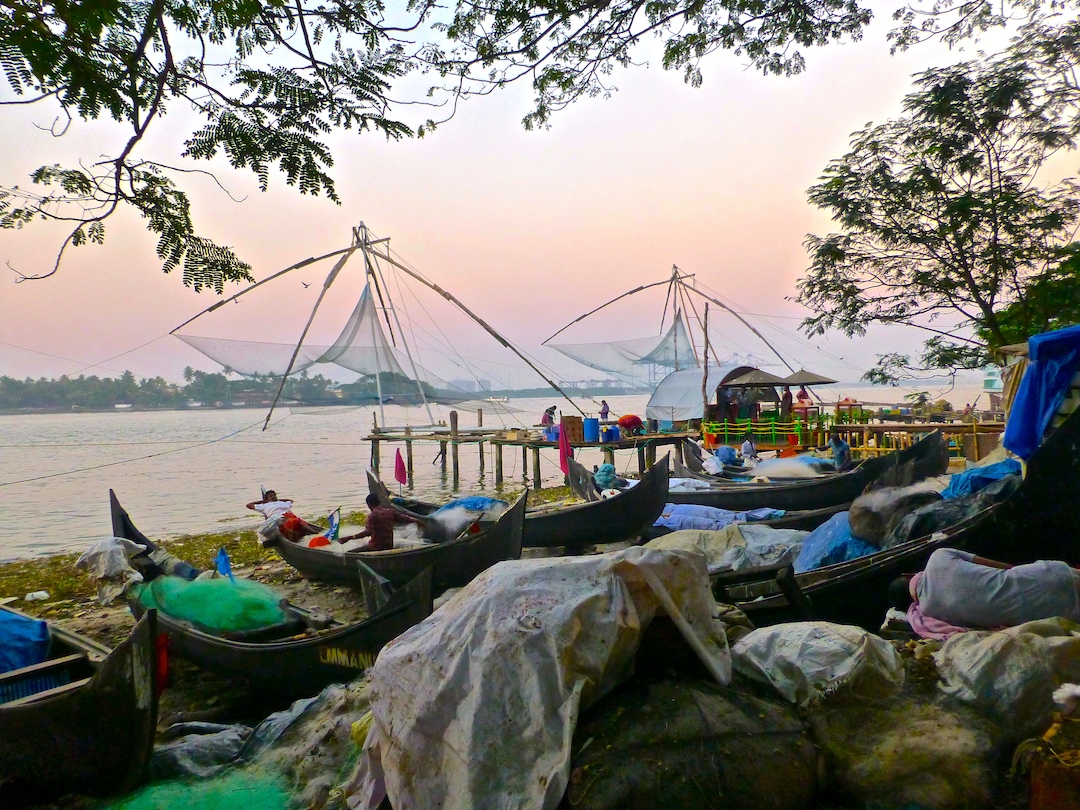


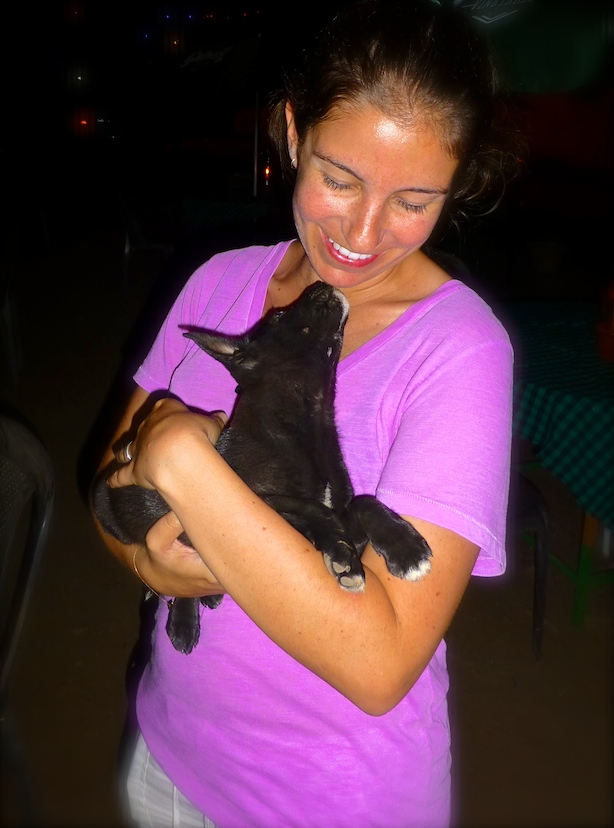


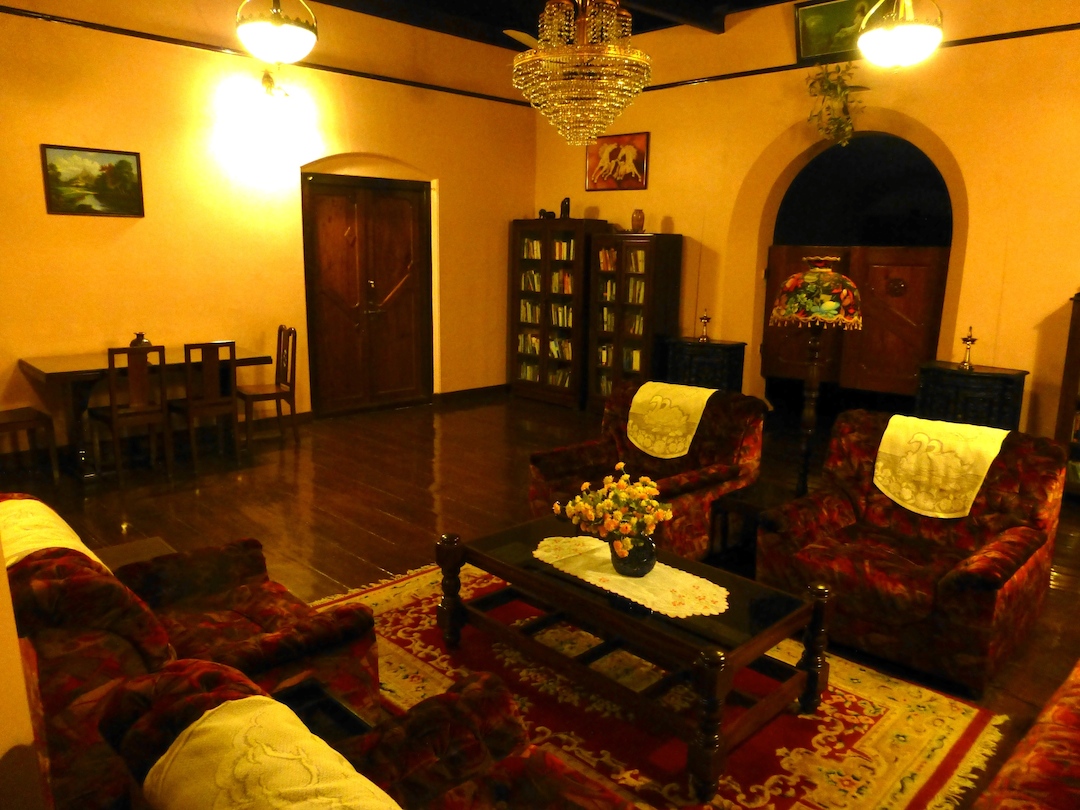


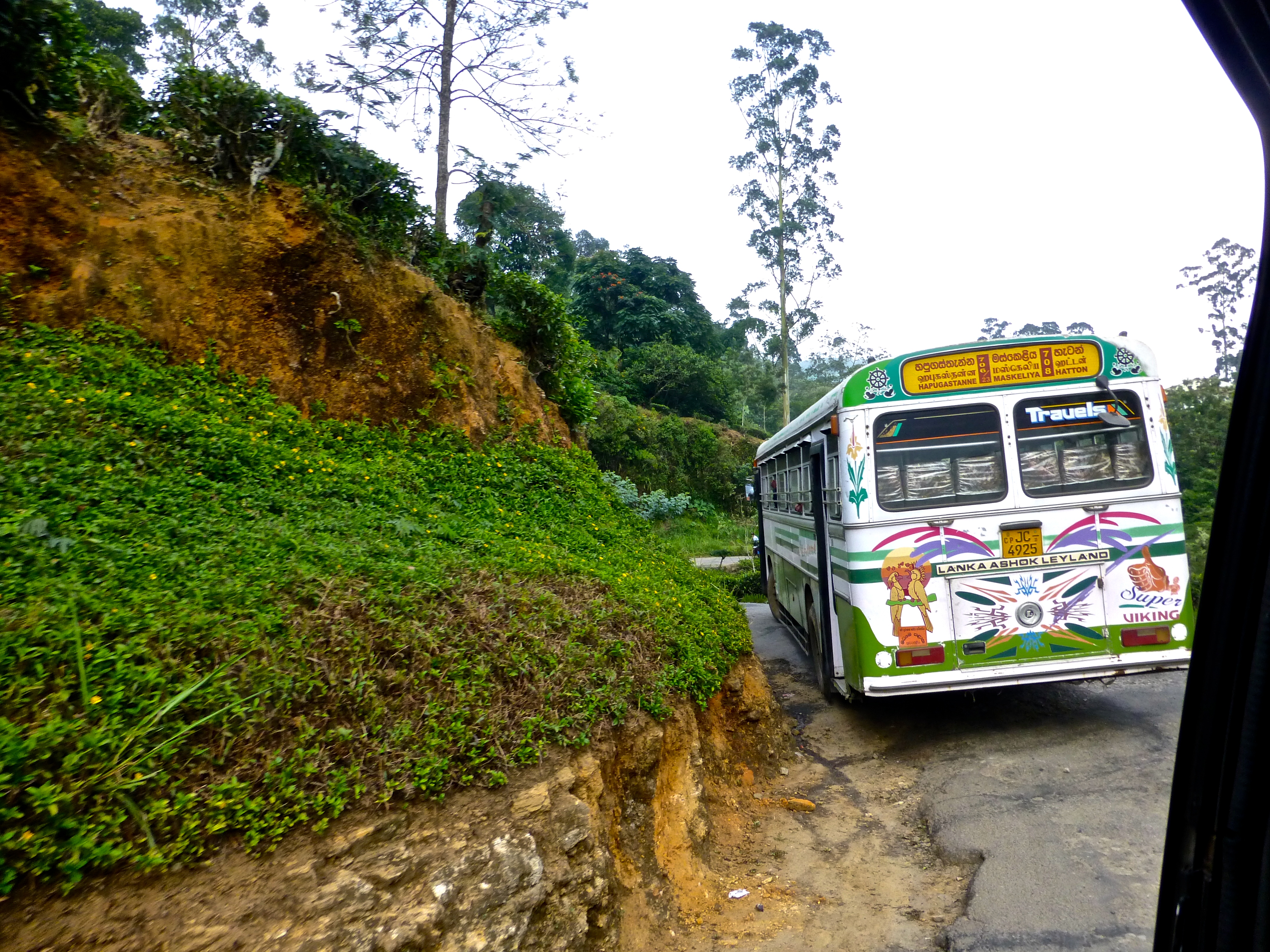


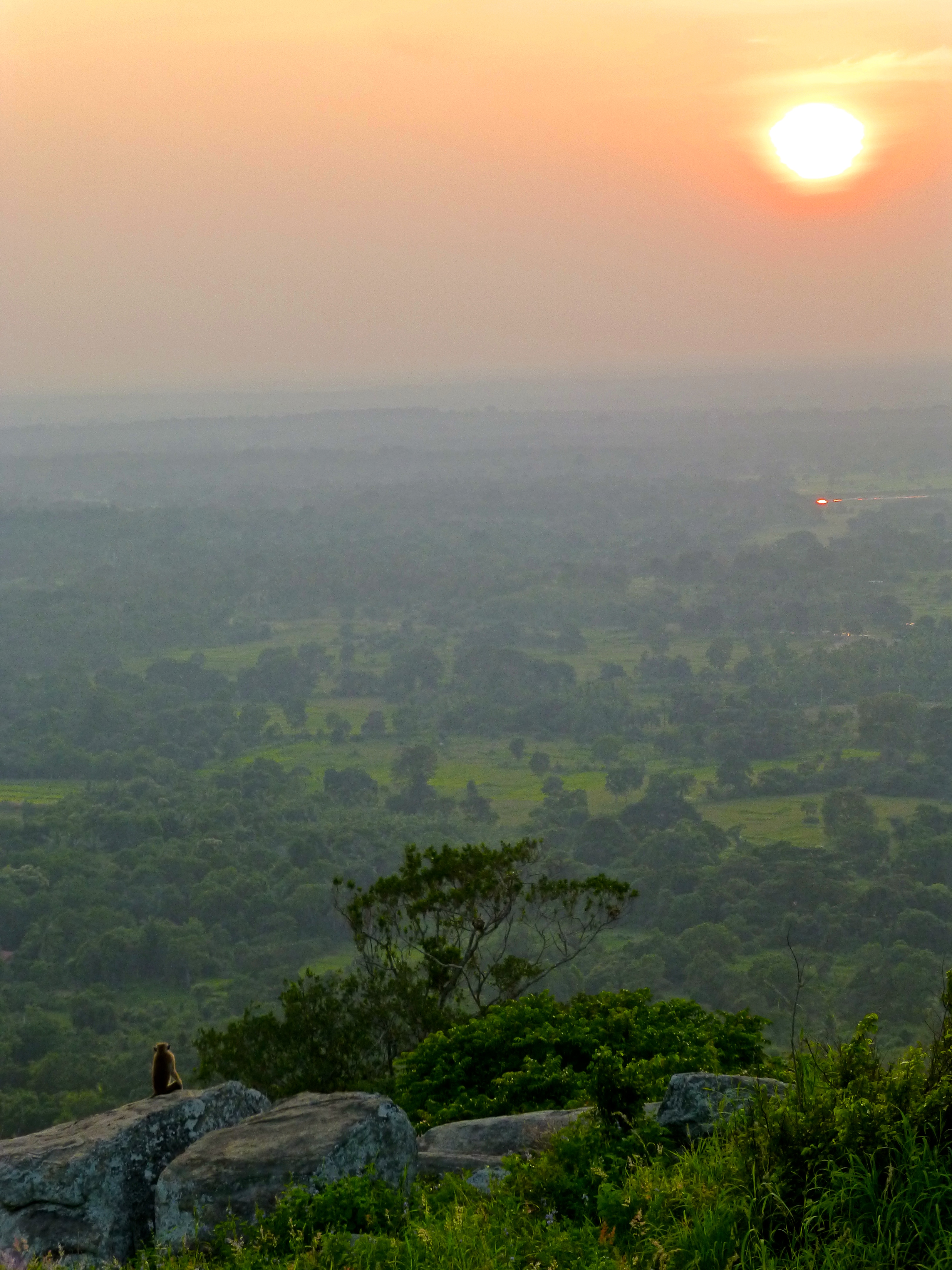


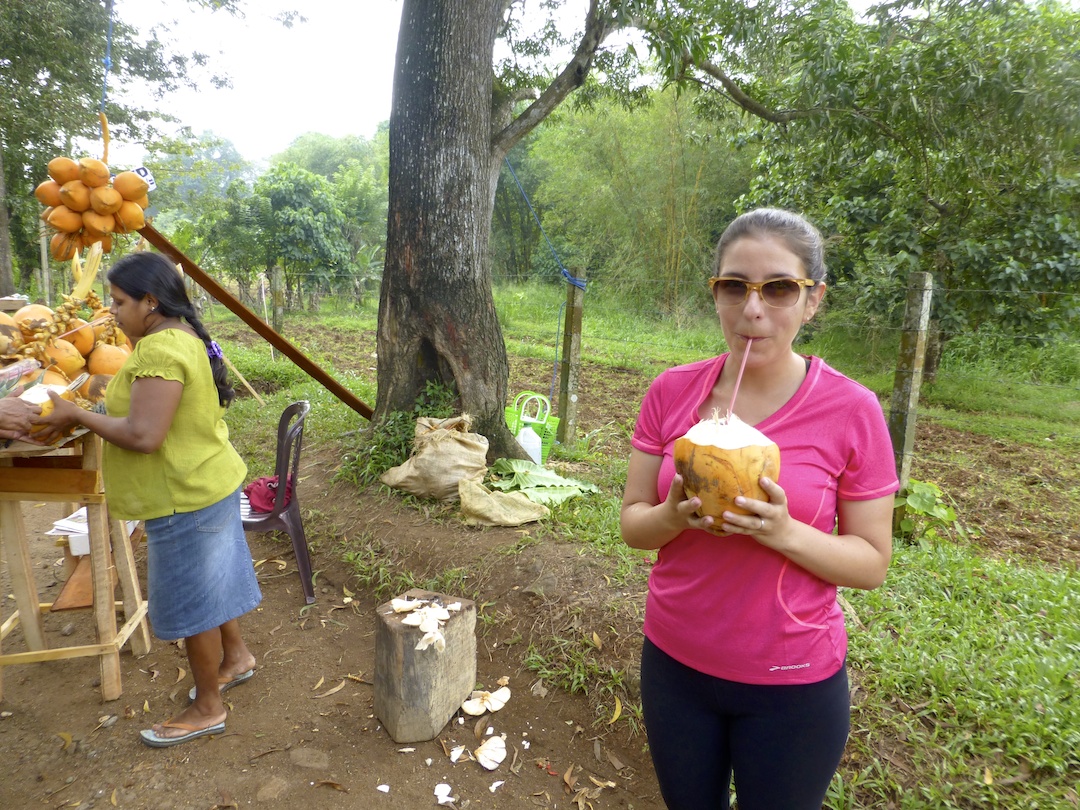


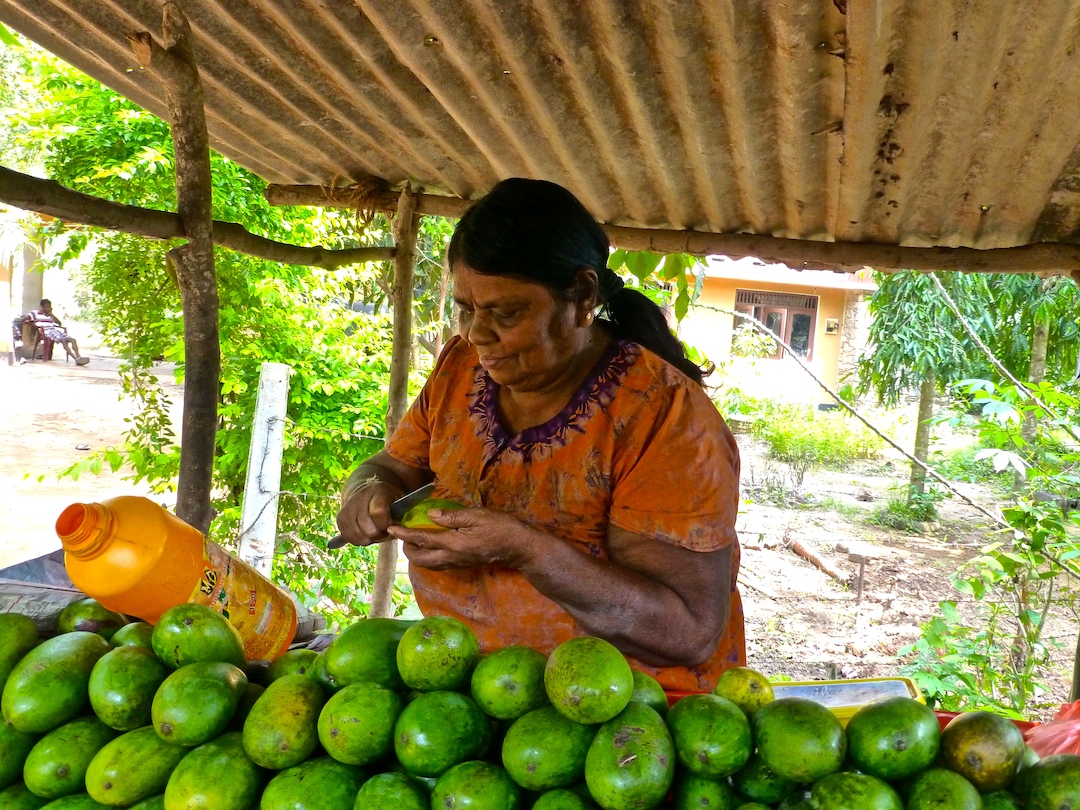

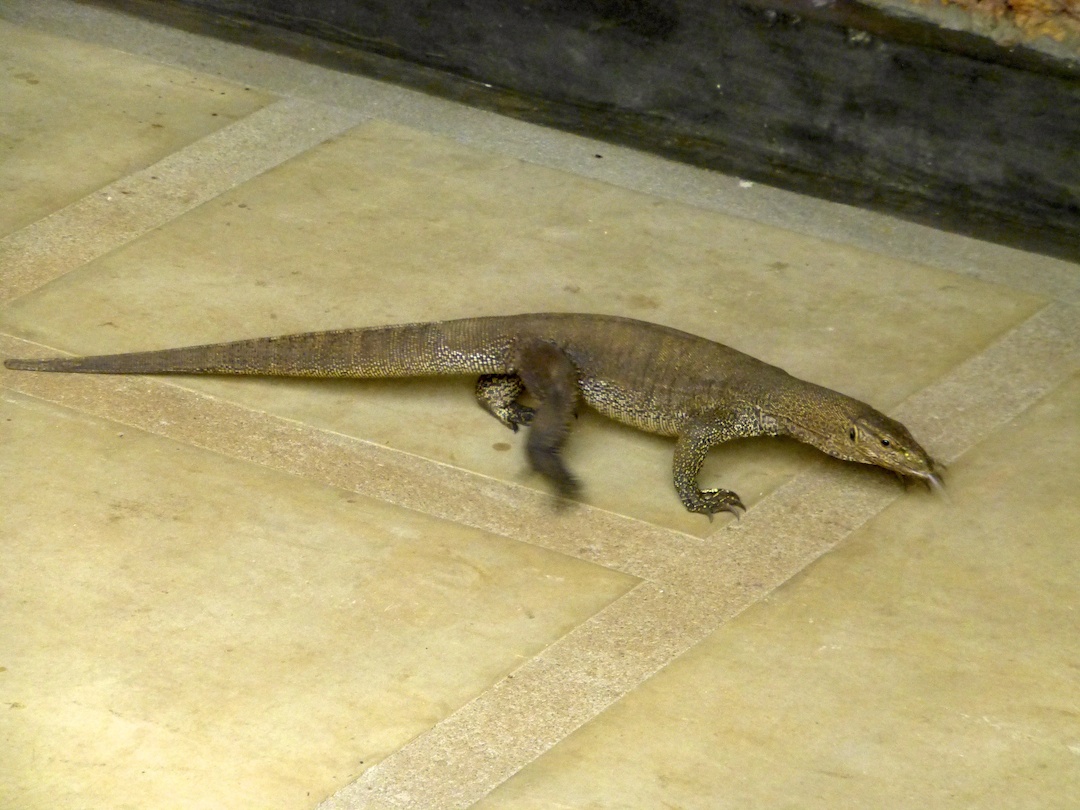


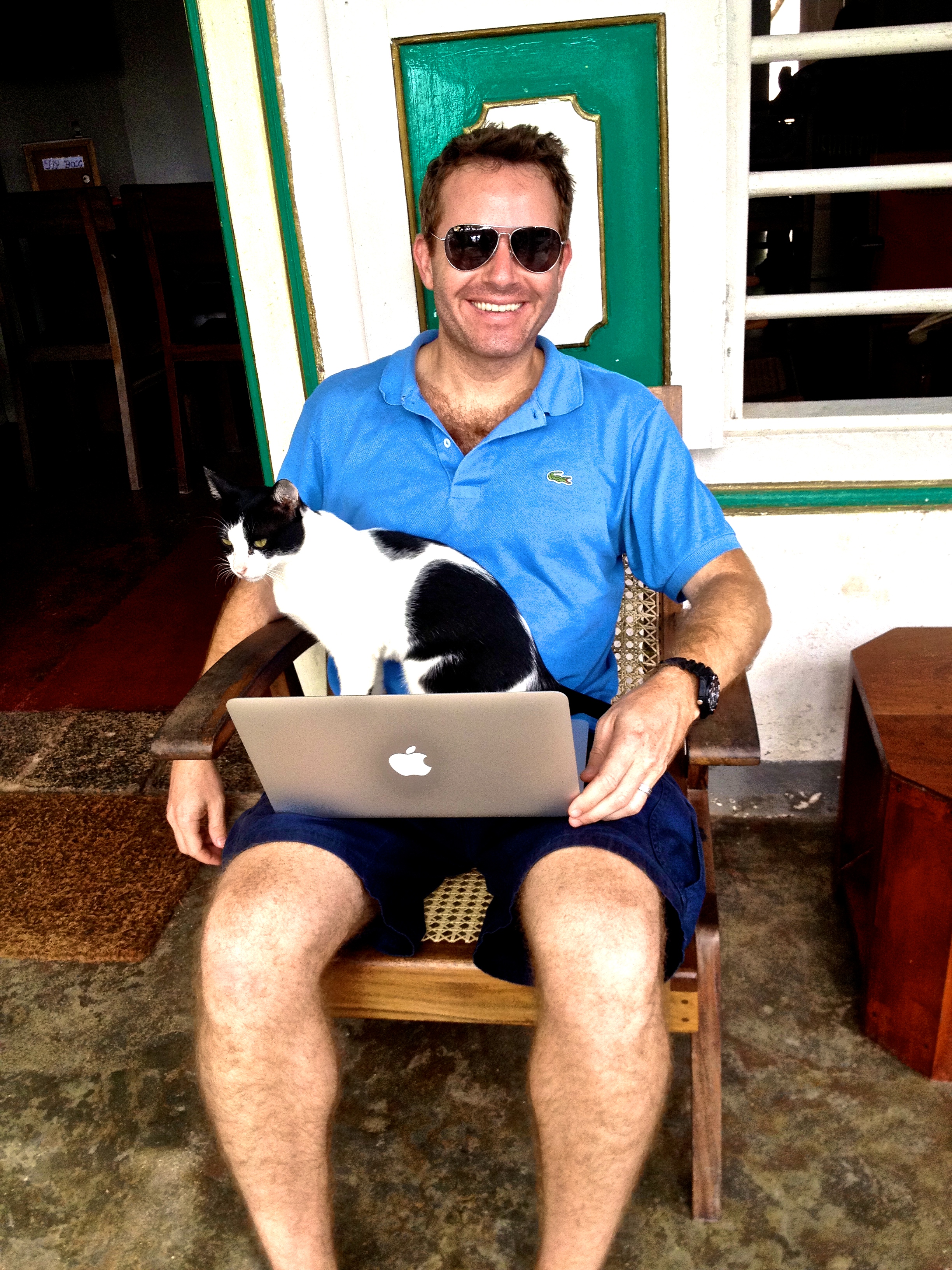


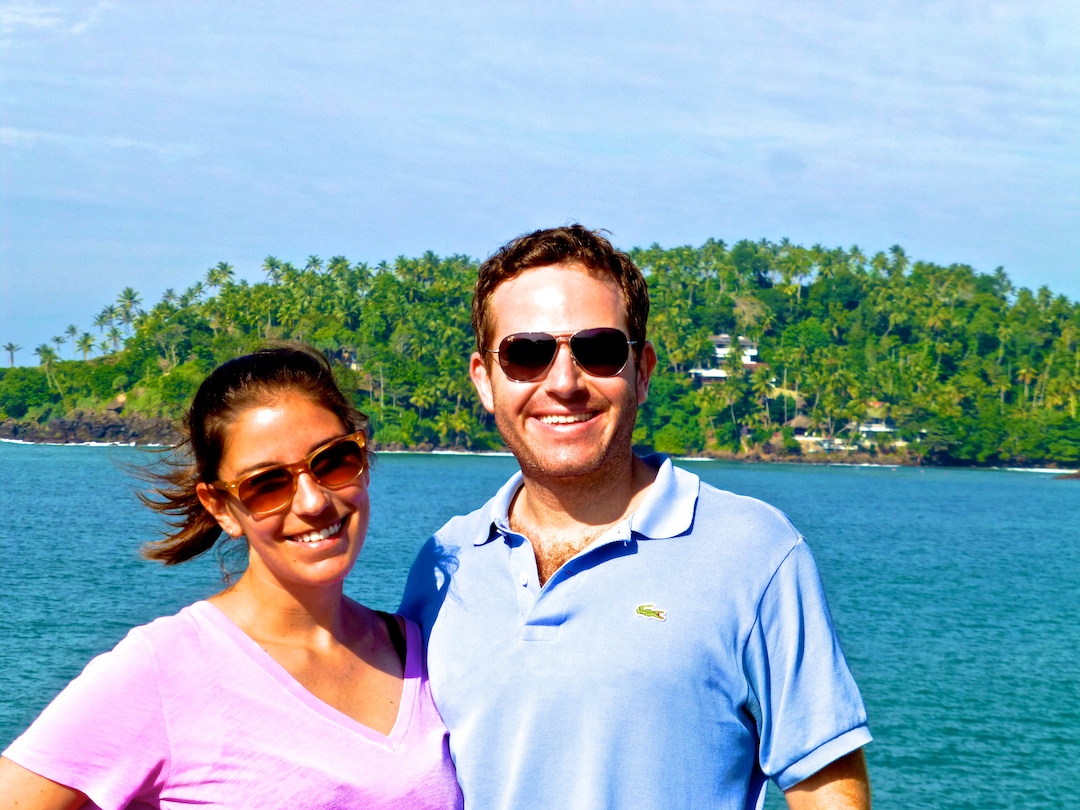
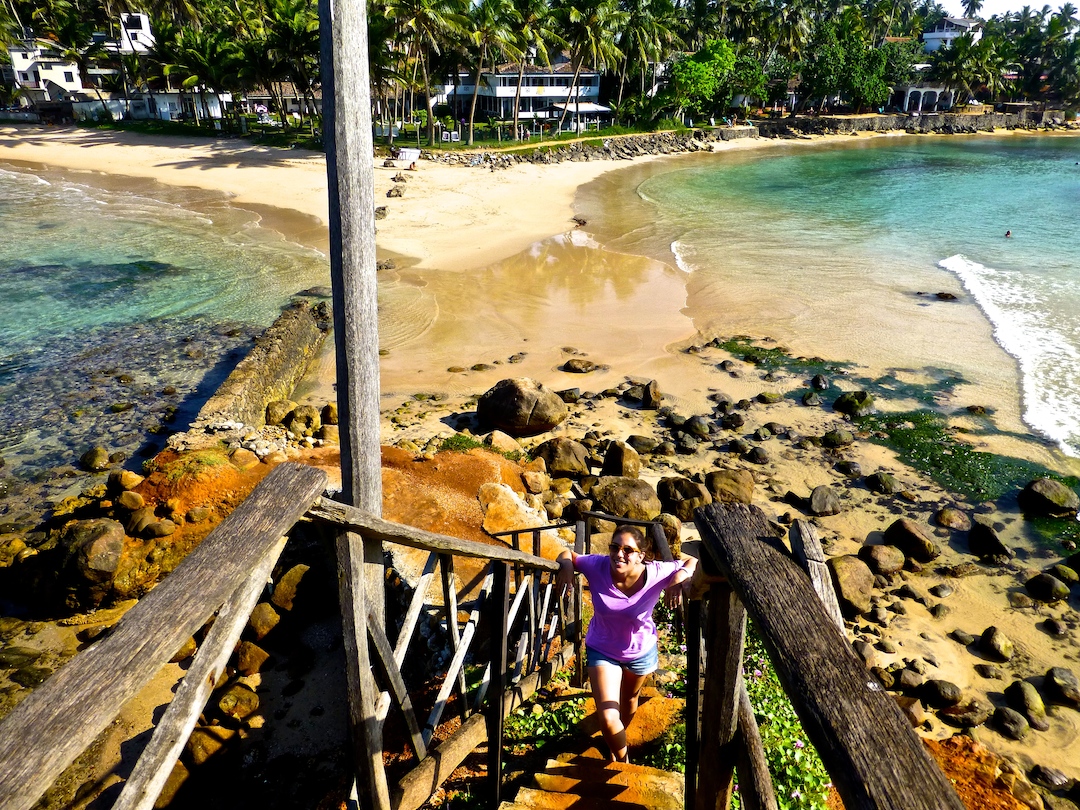
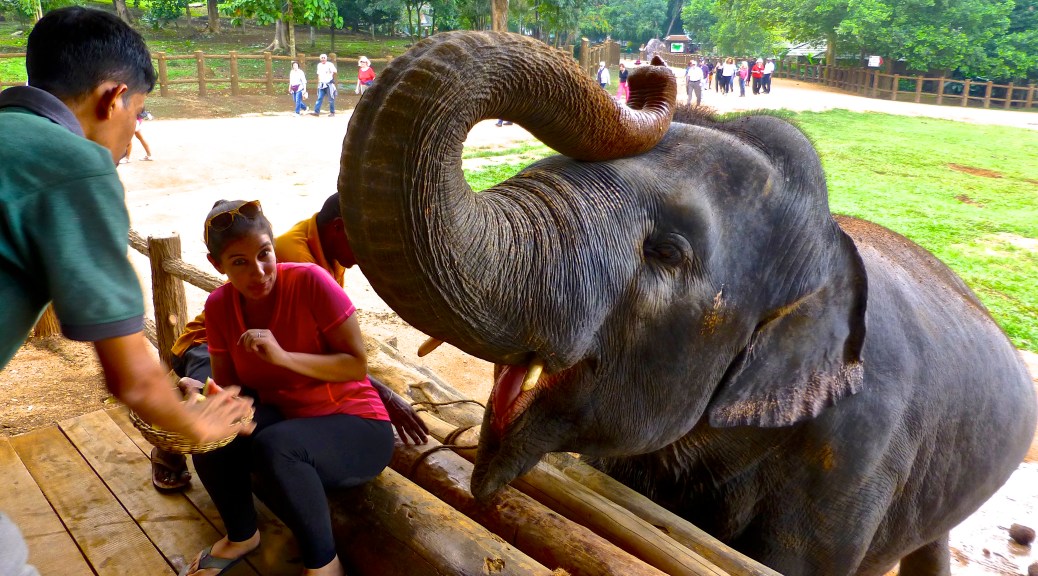


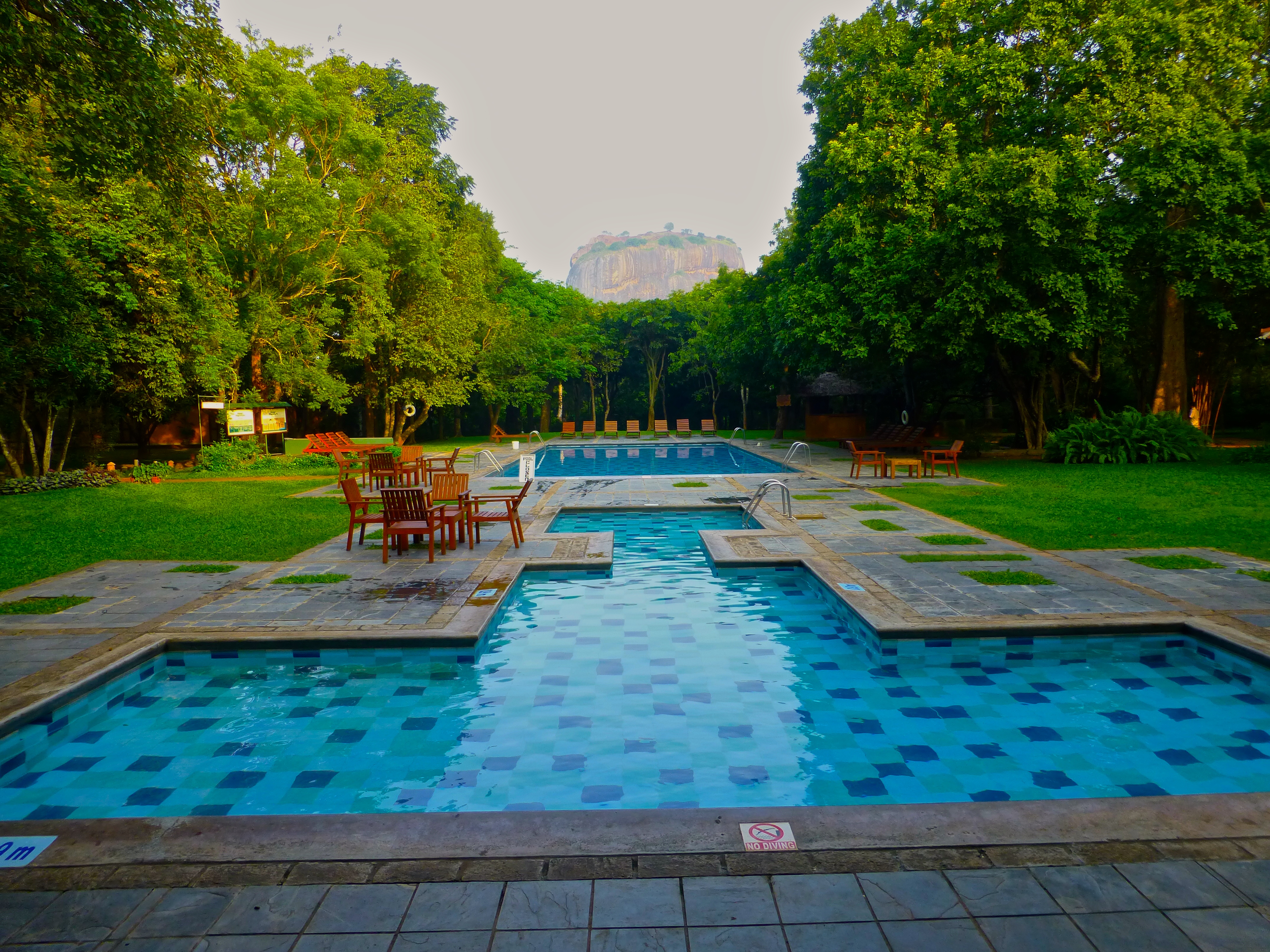


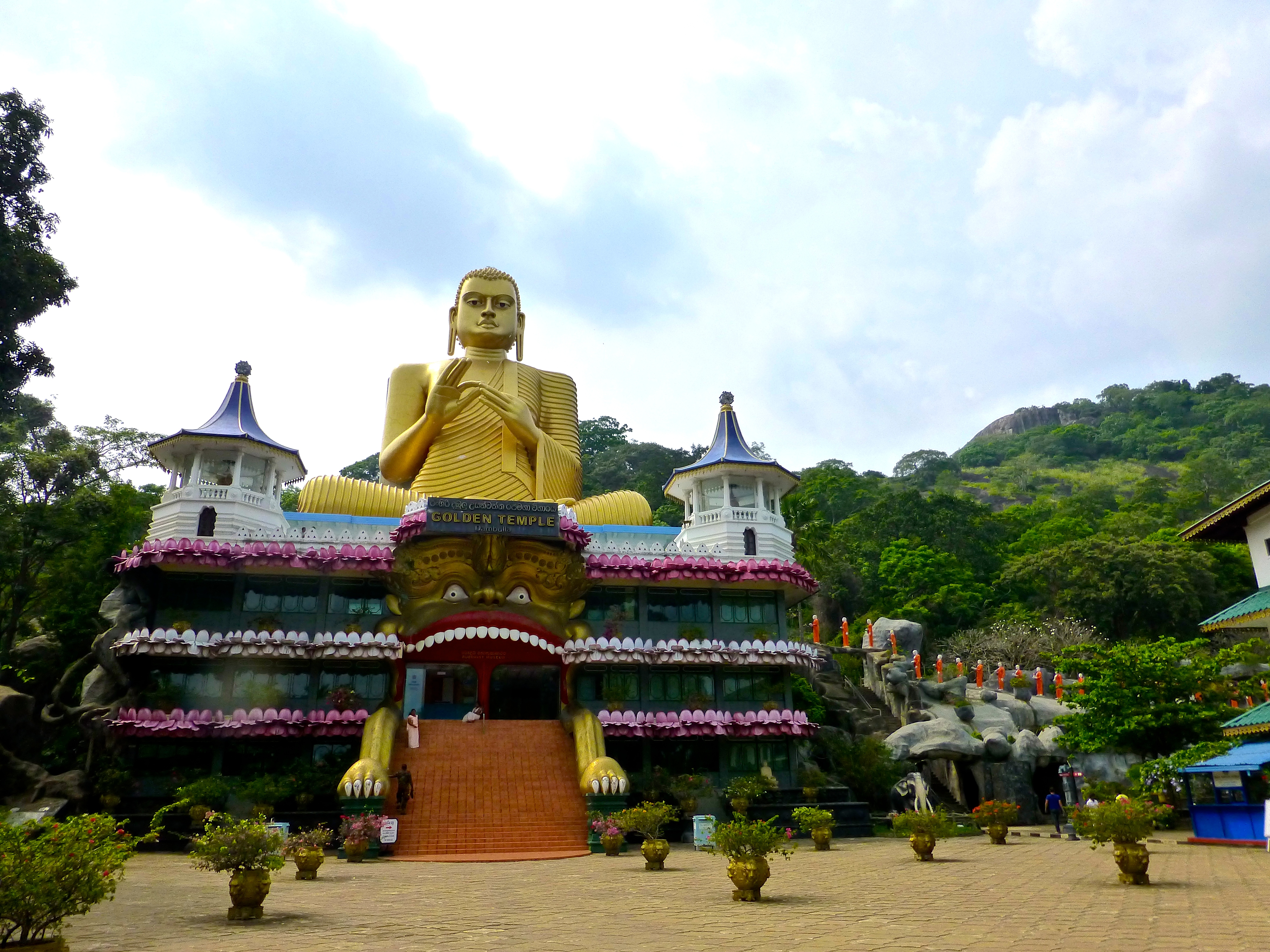


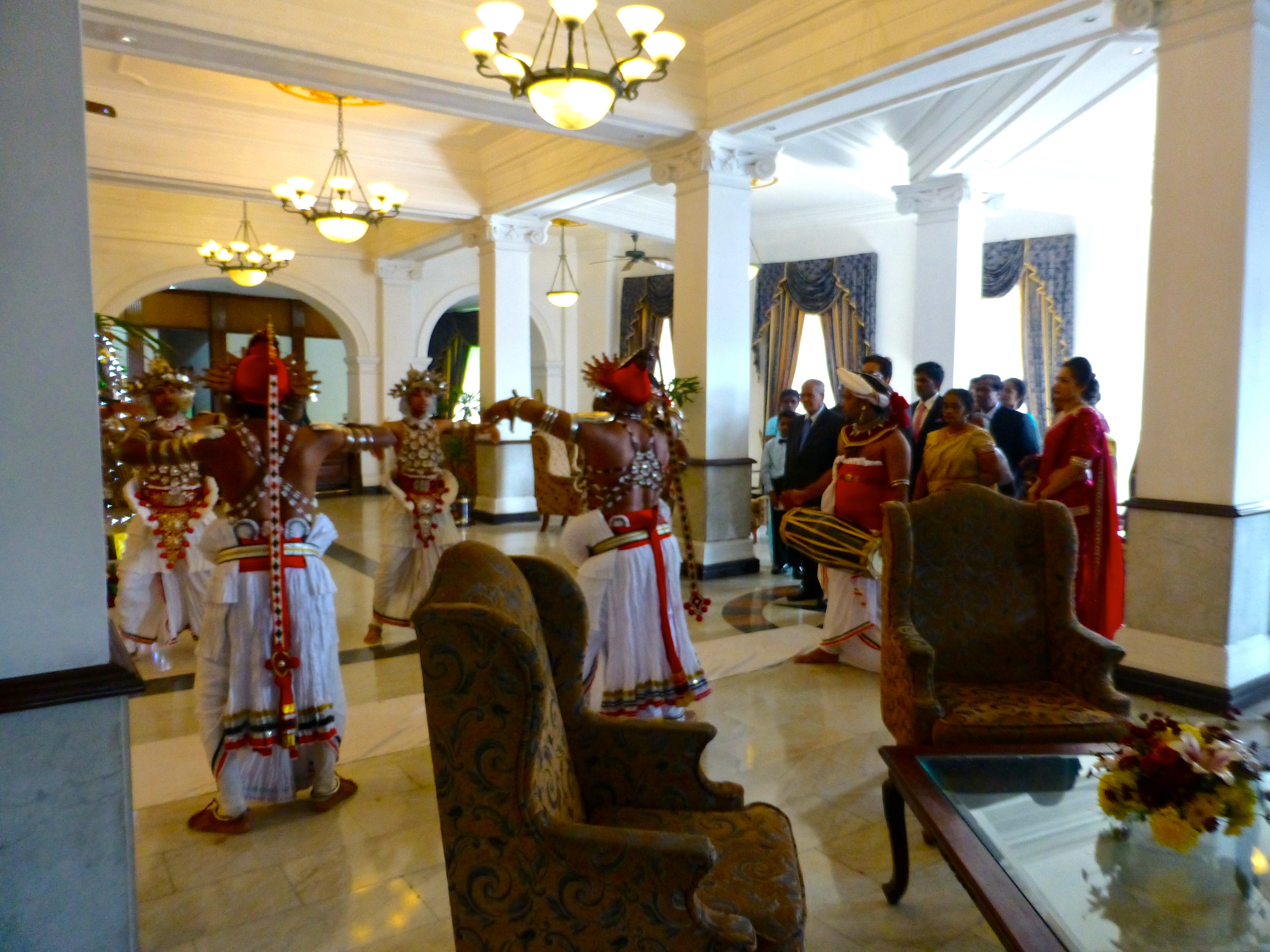


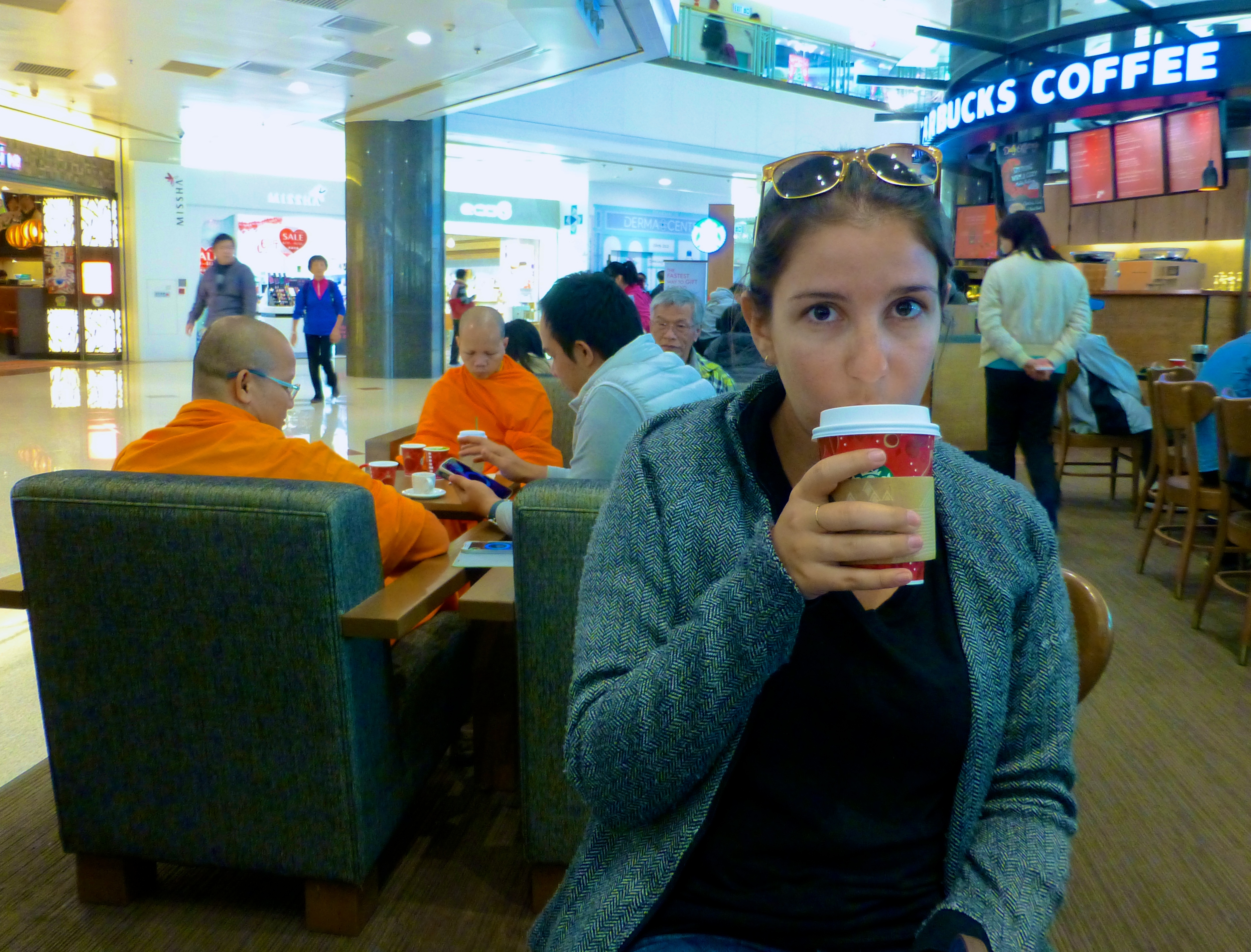


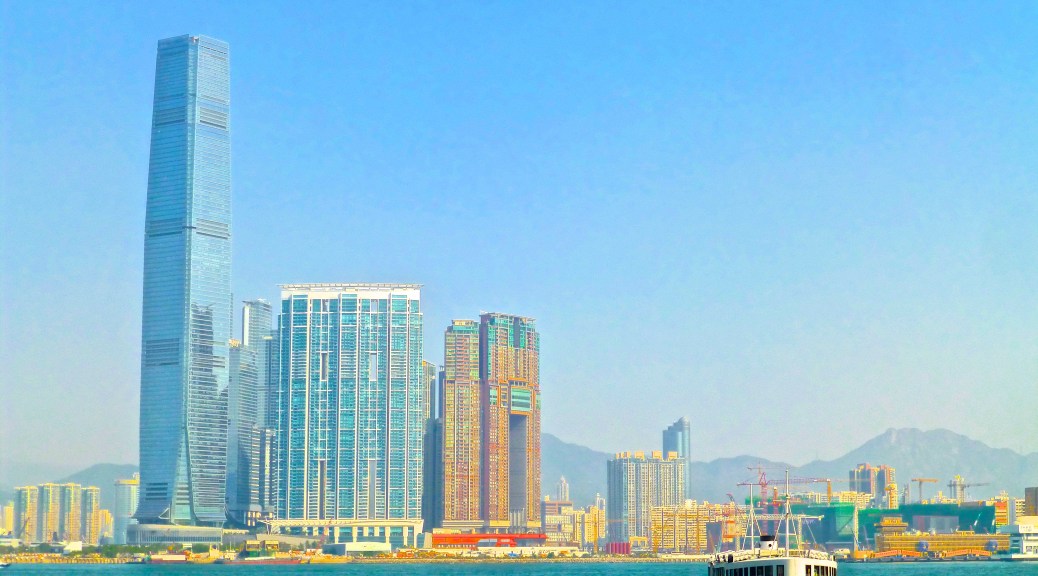
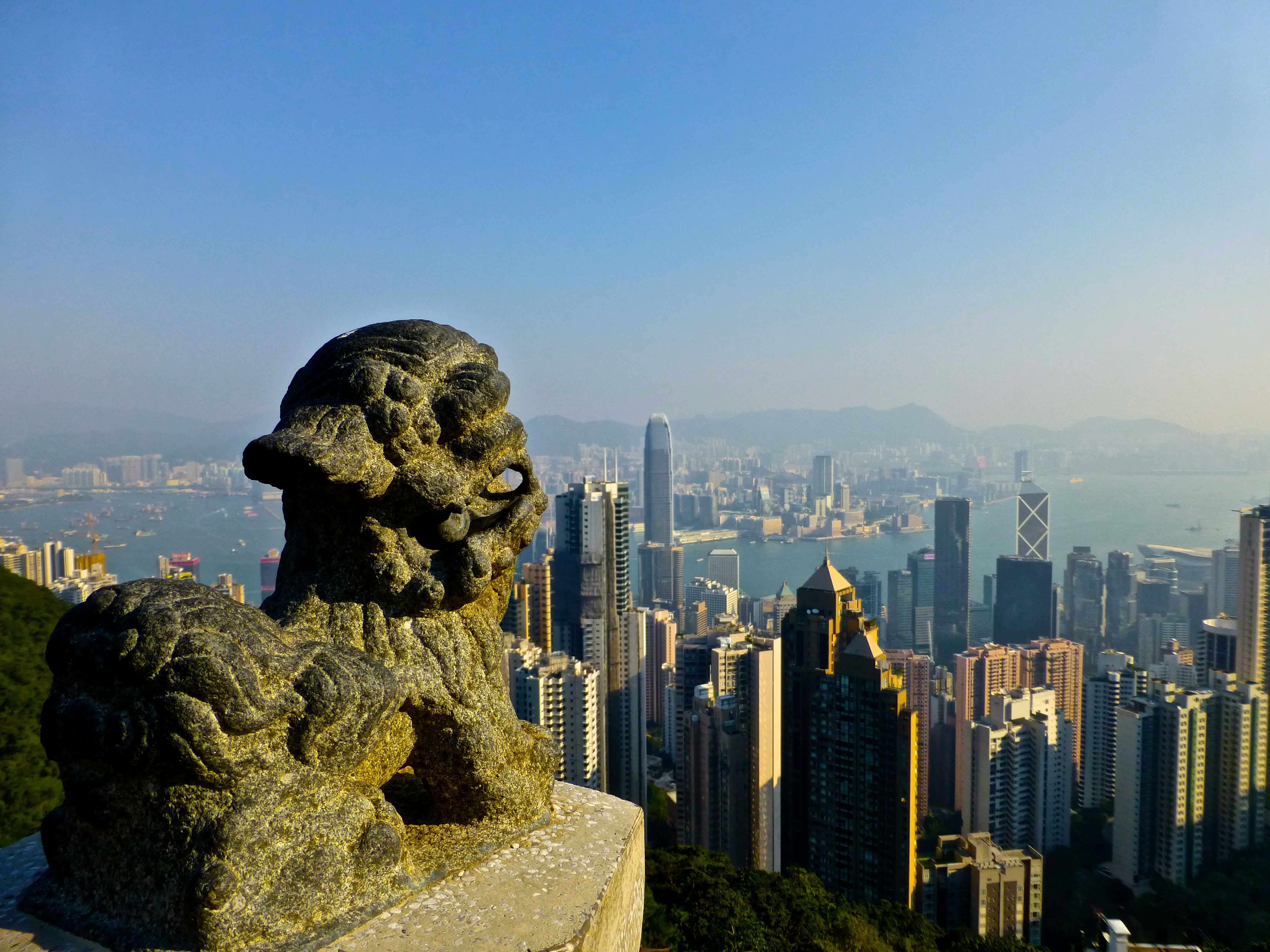


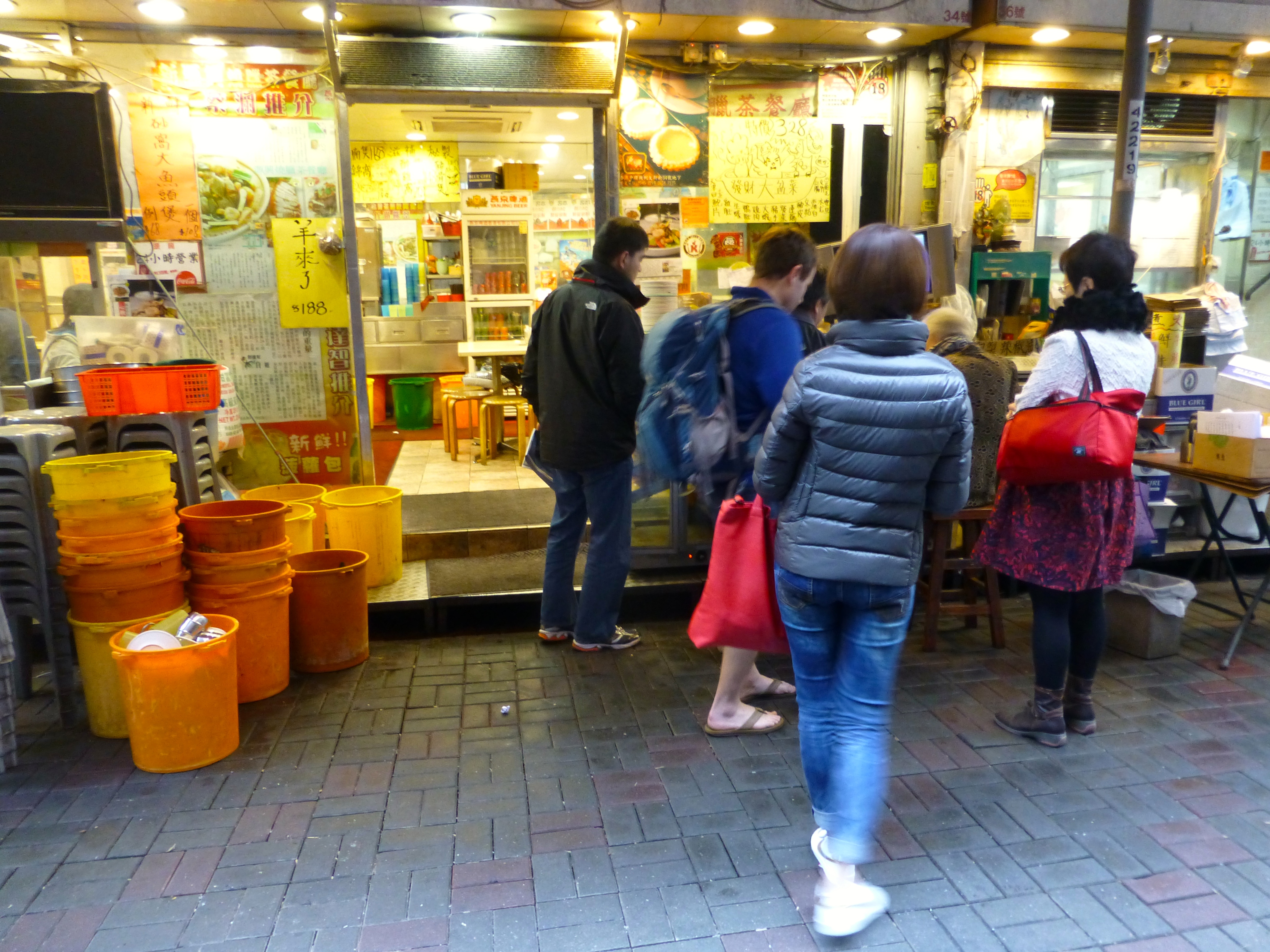


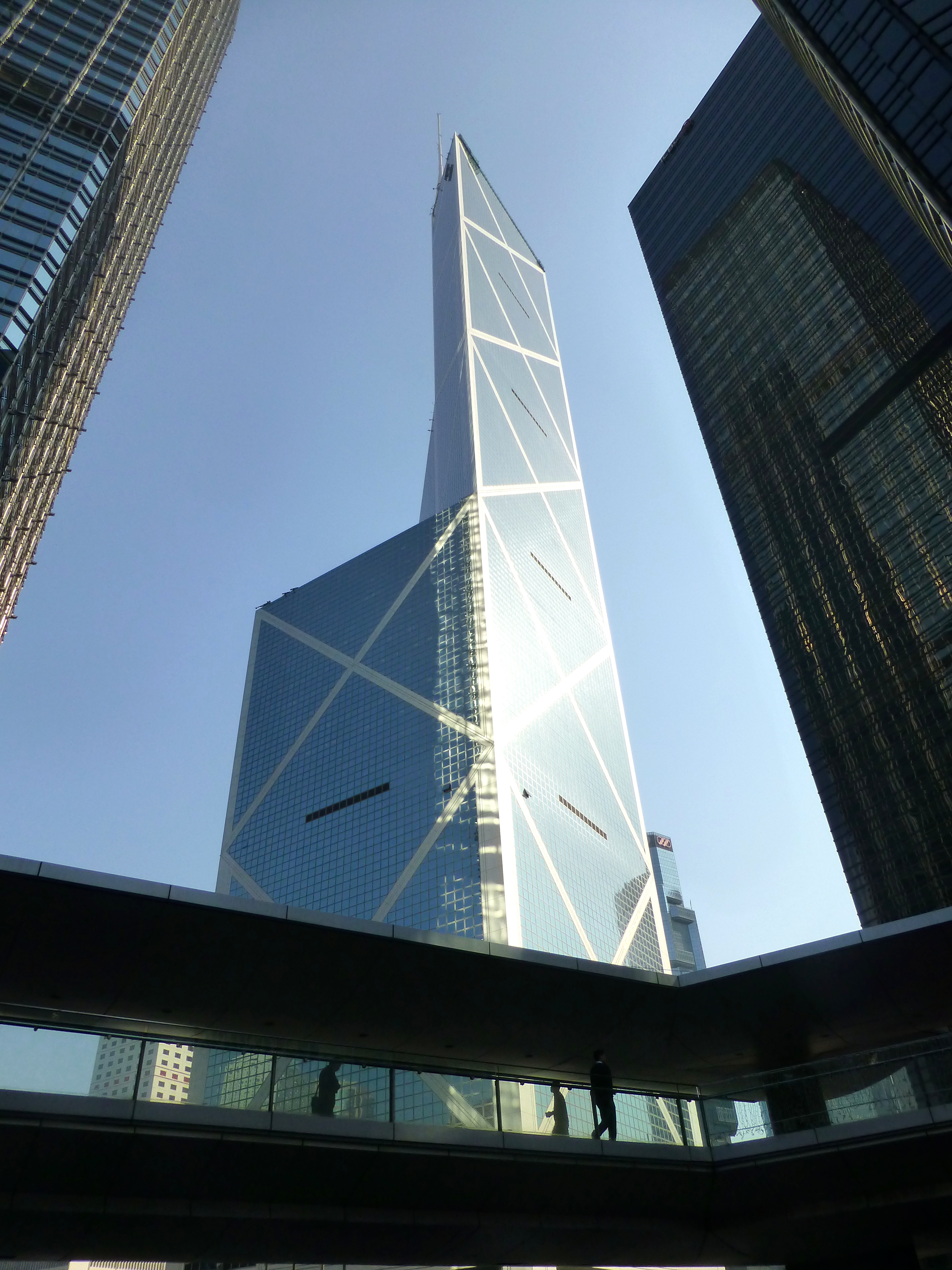


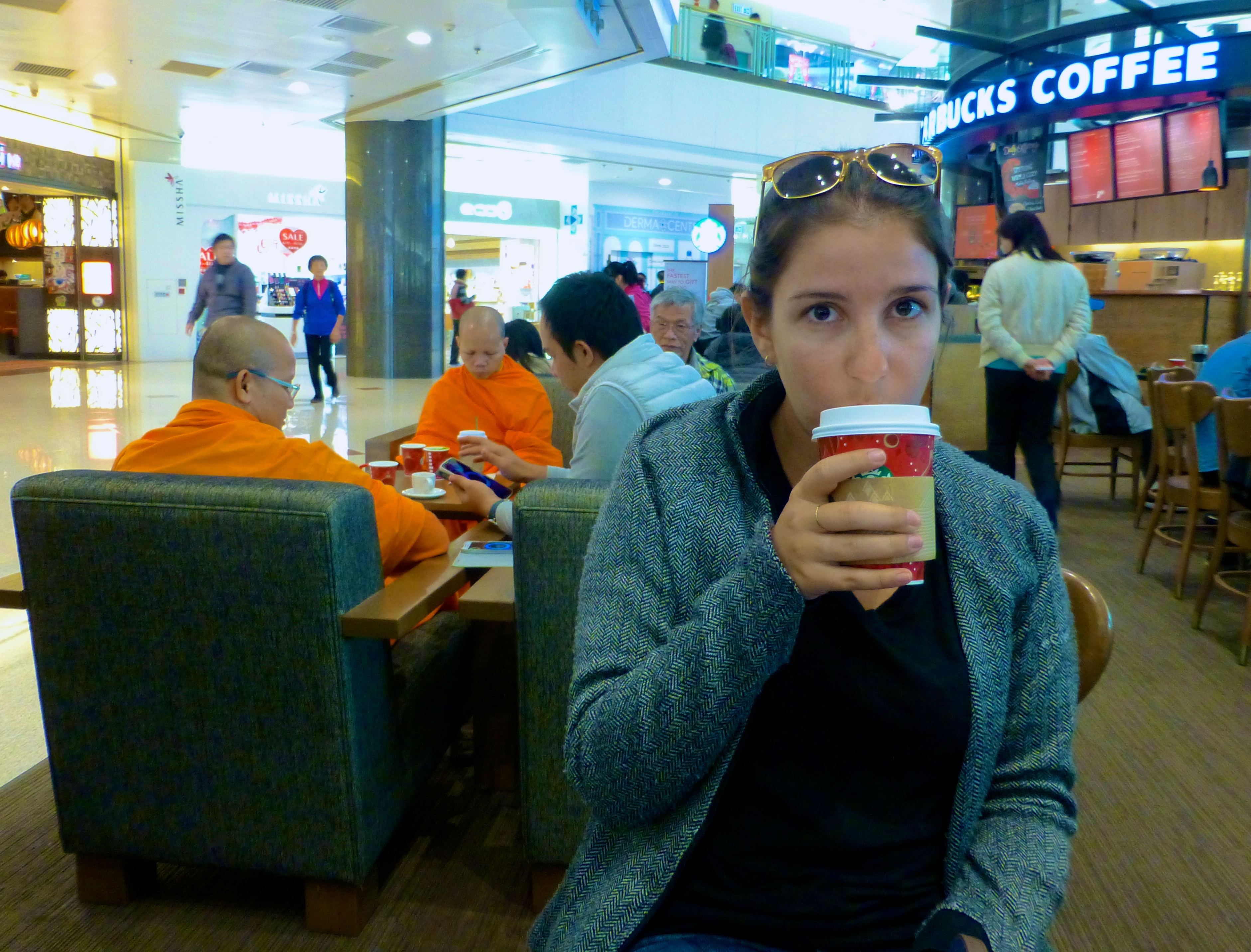


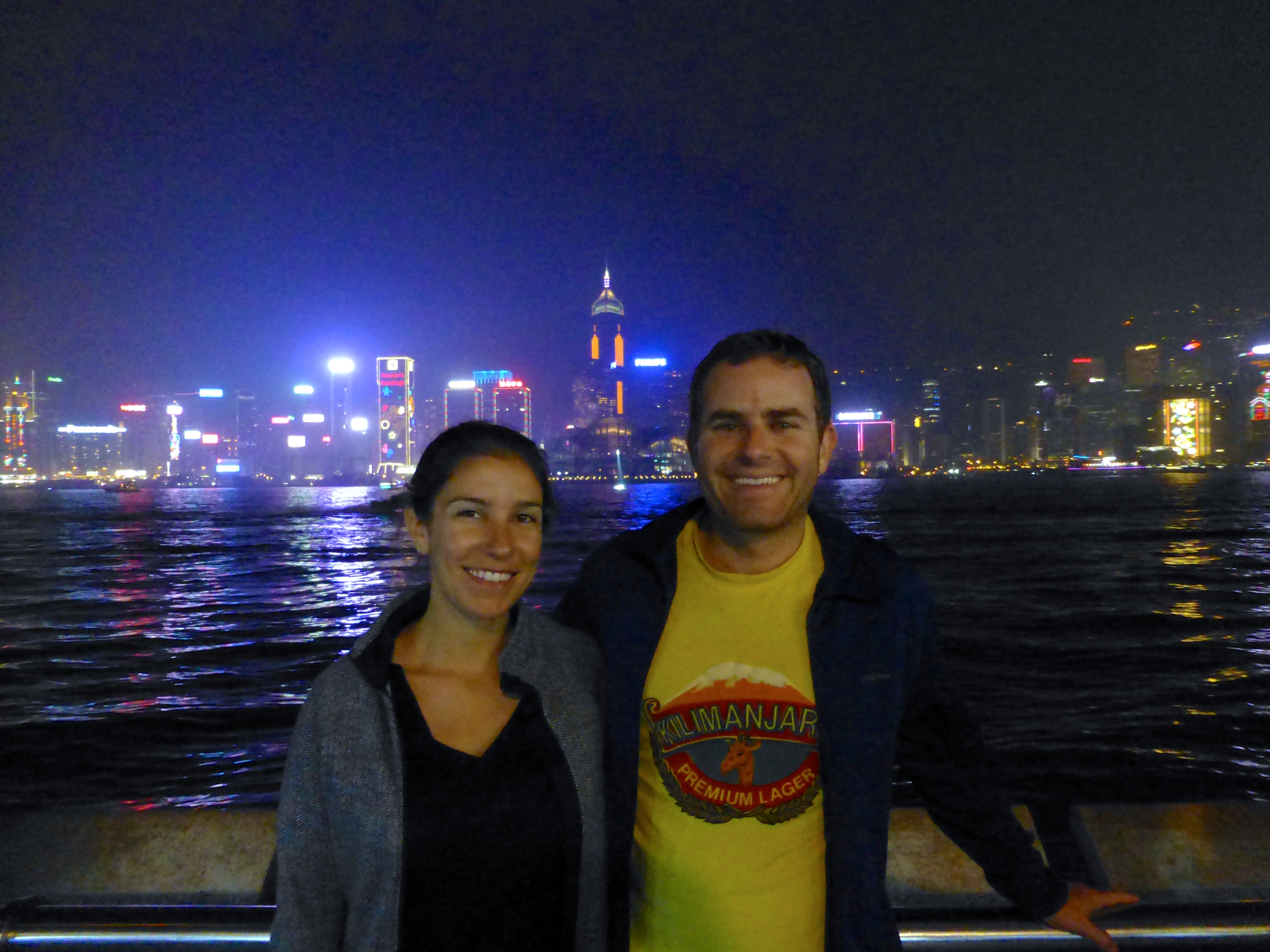


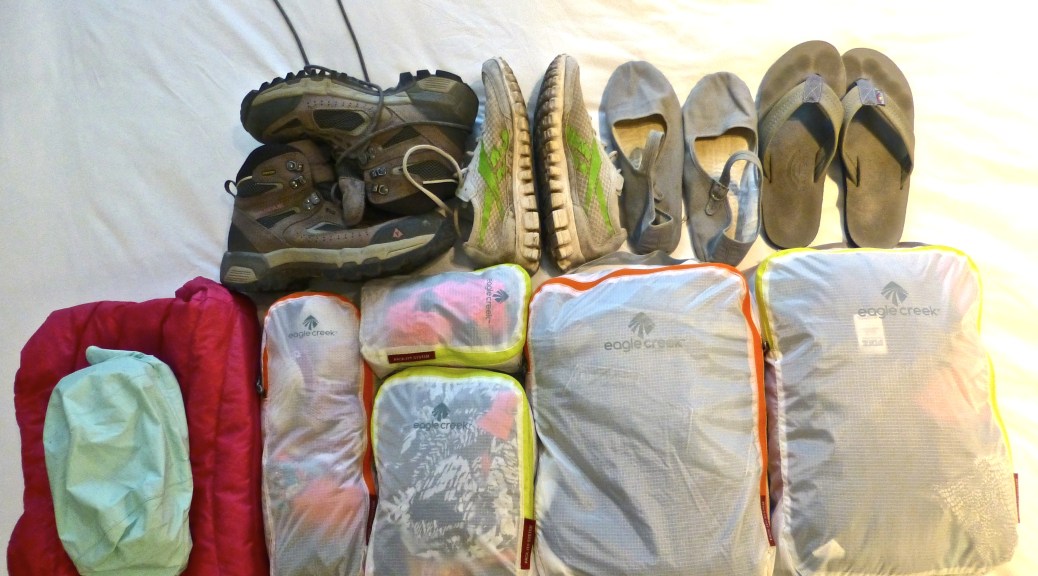


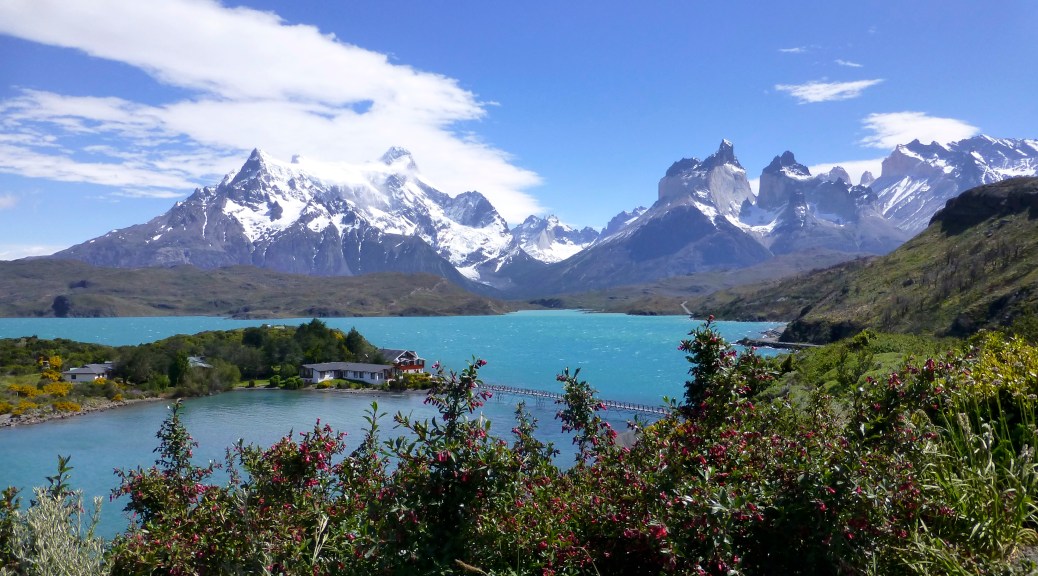


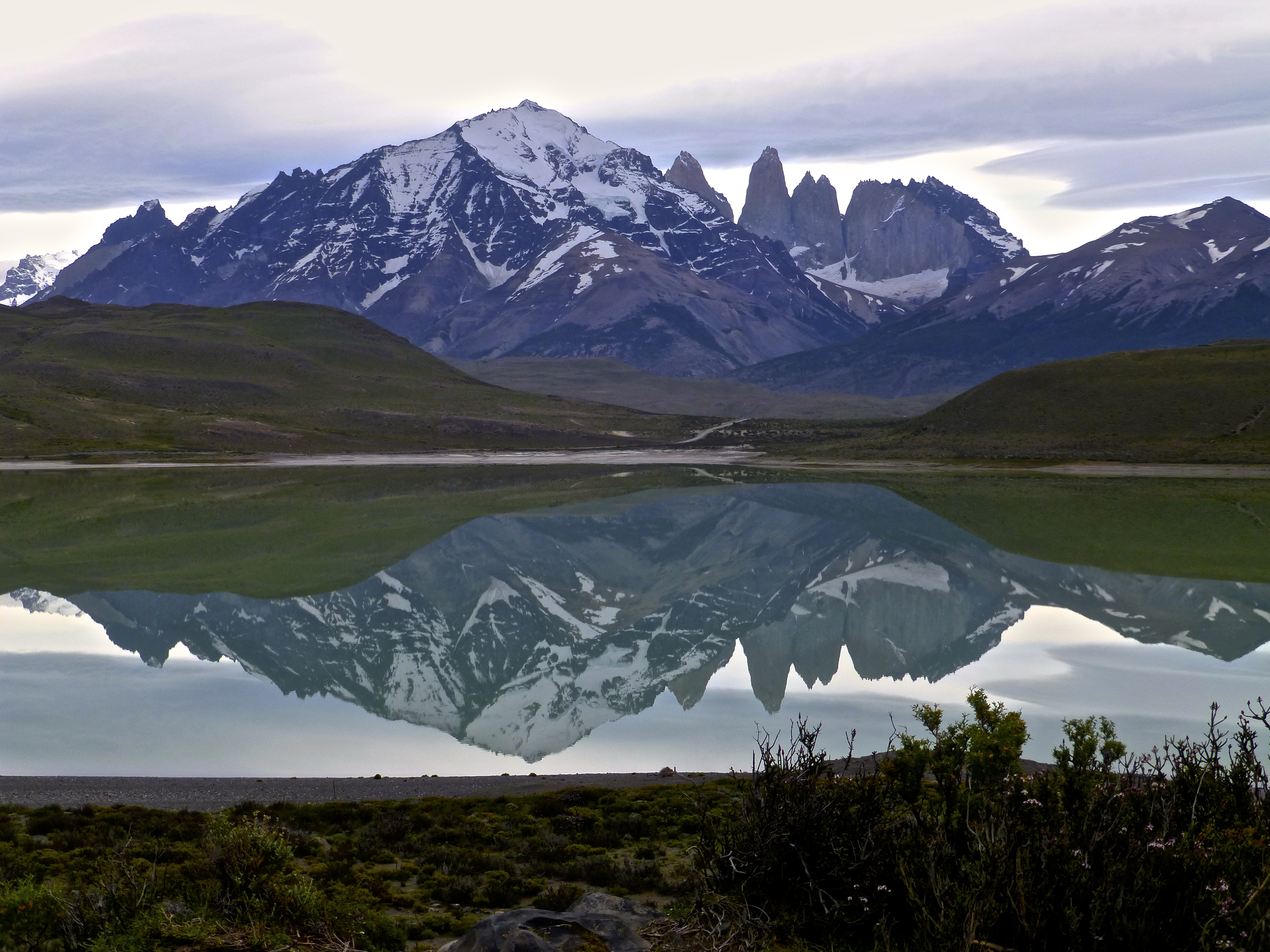


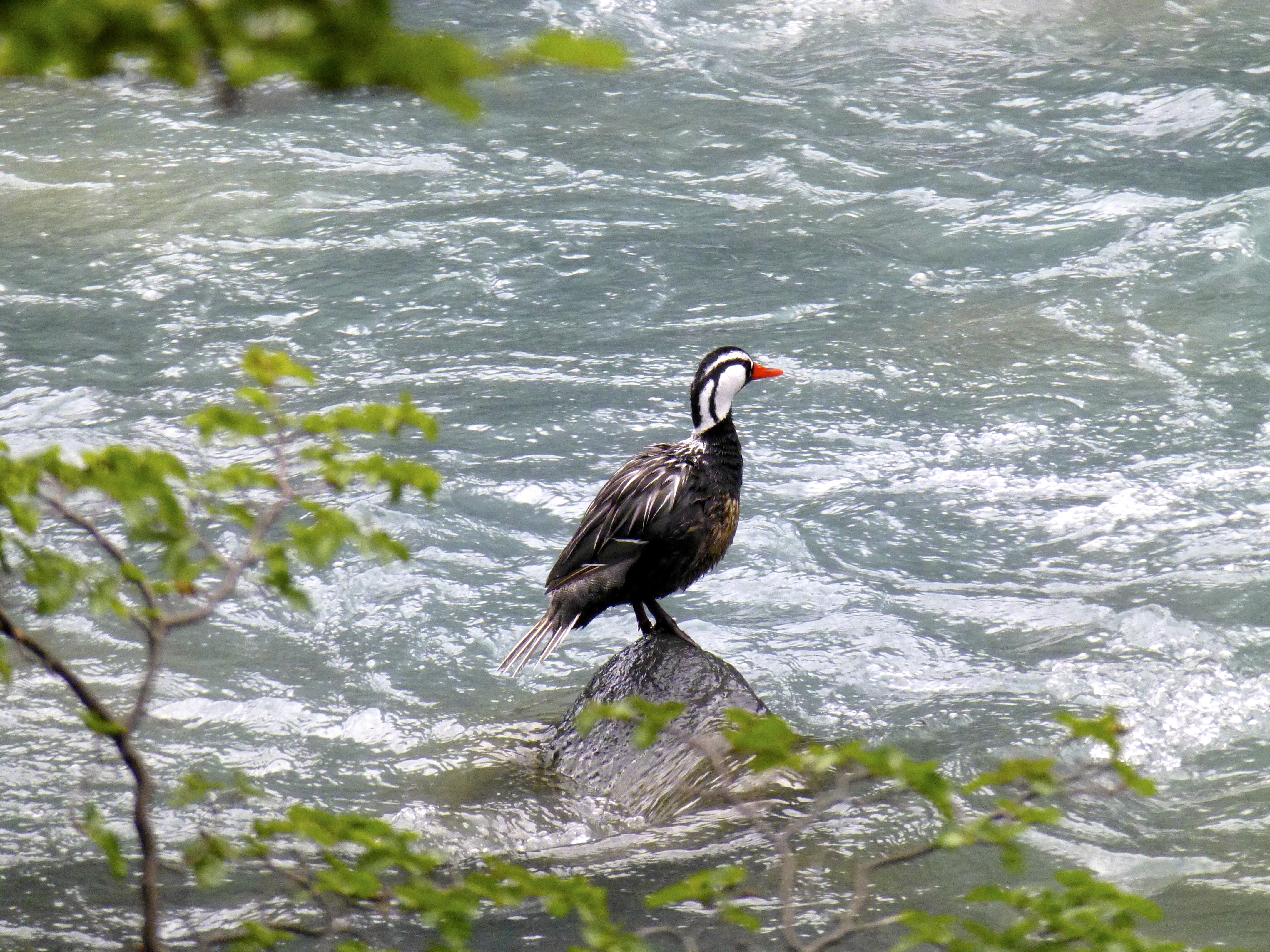


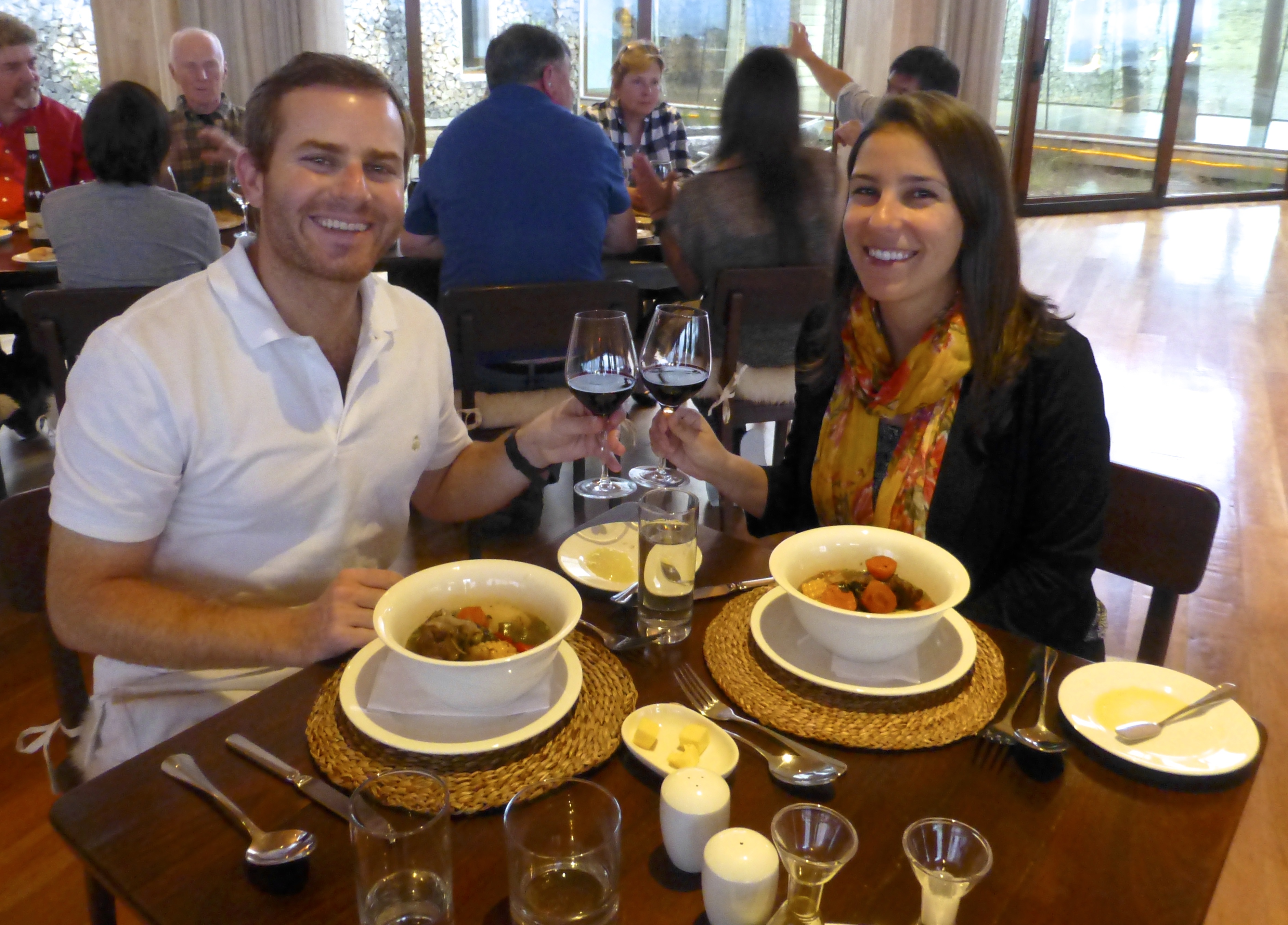


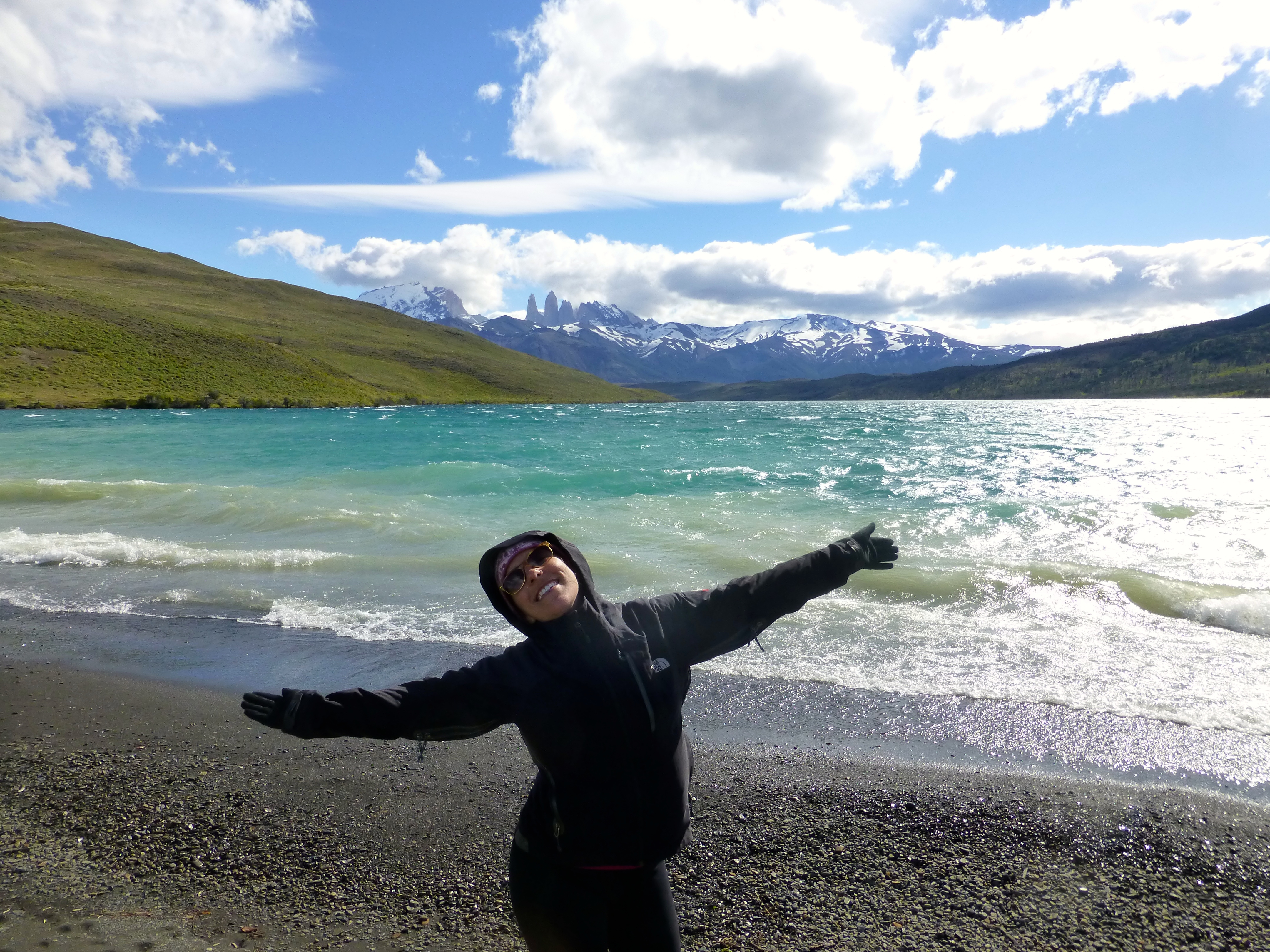


 champagne&backpacks